17 films
Scandinavian Realism
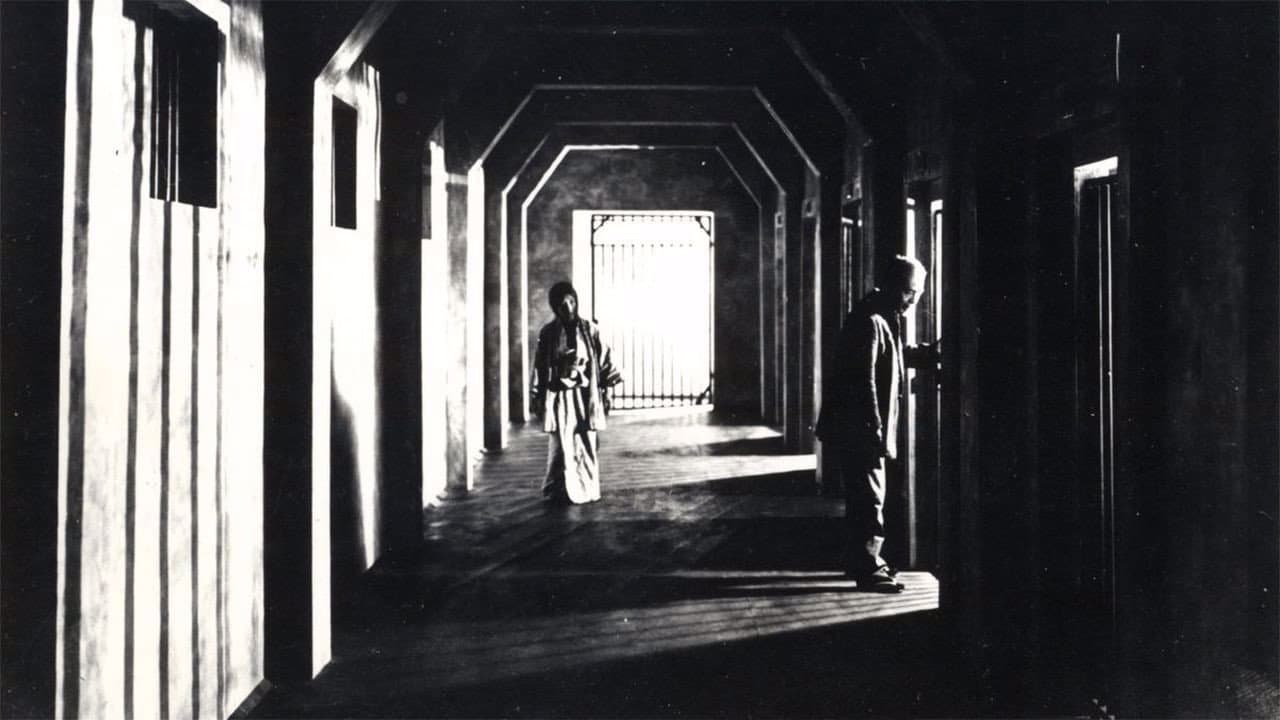
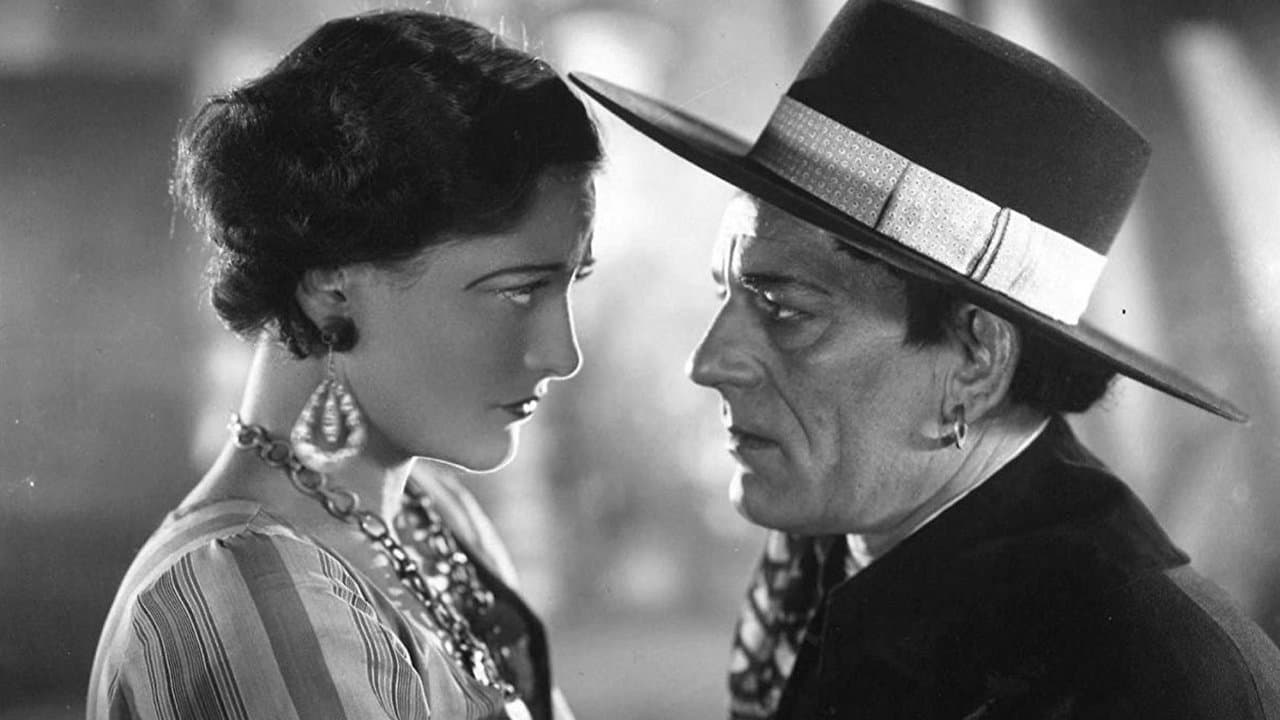
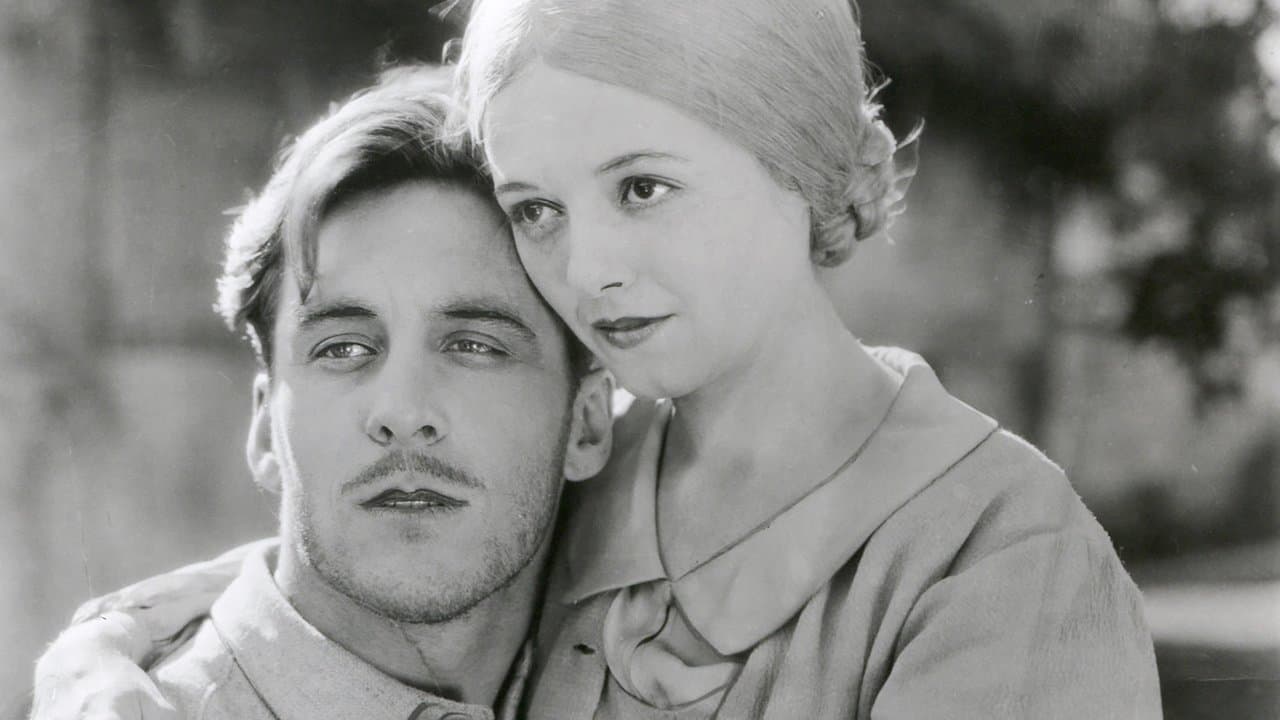
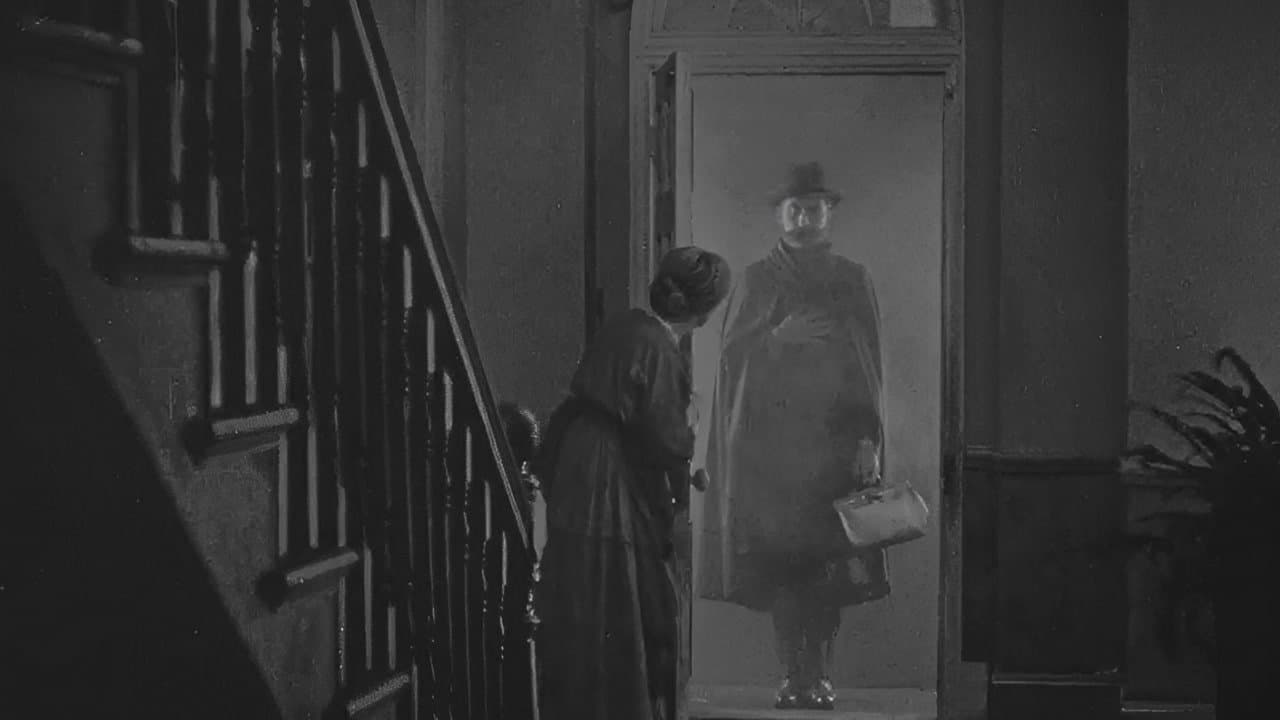
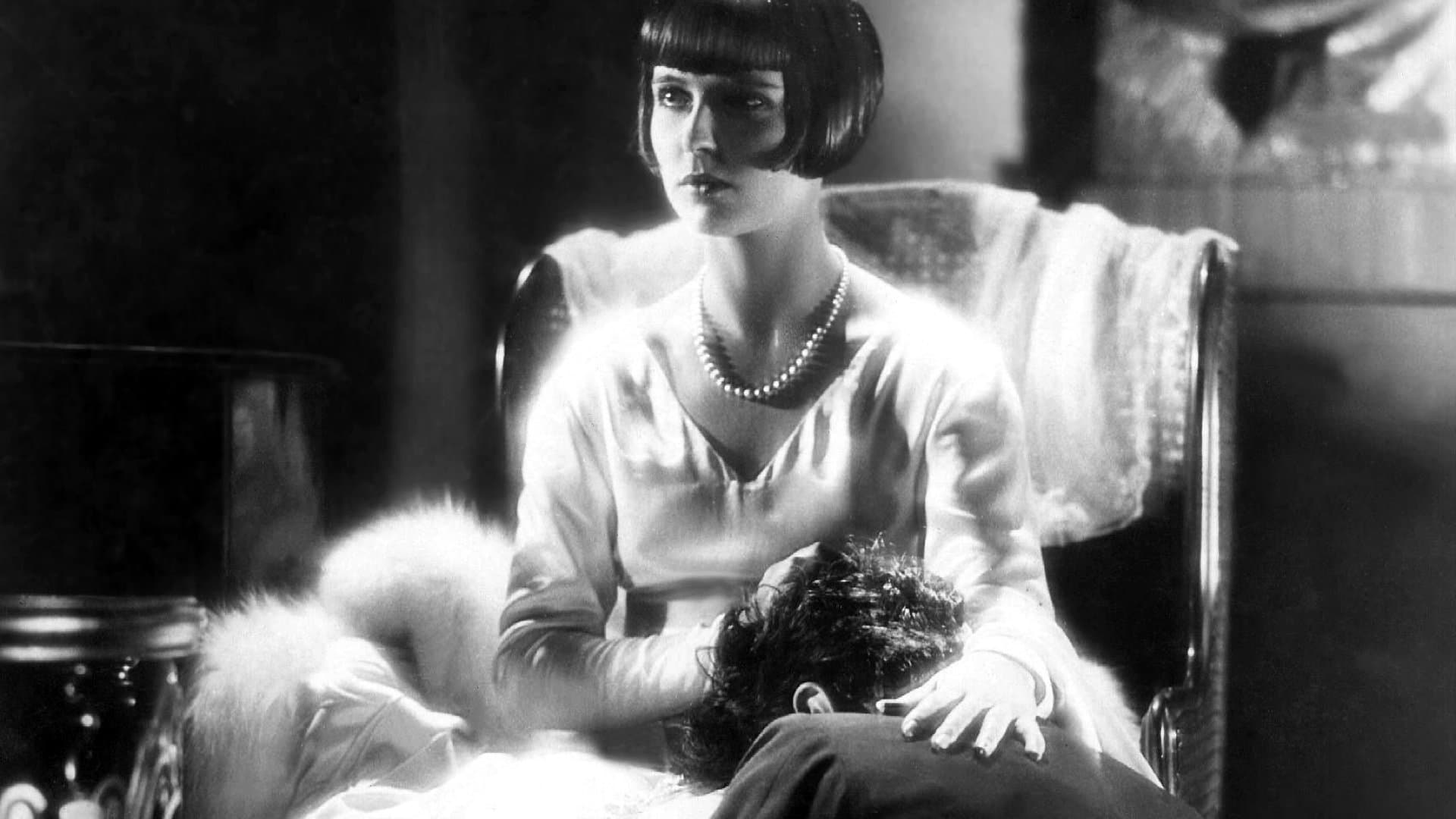
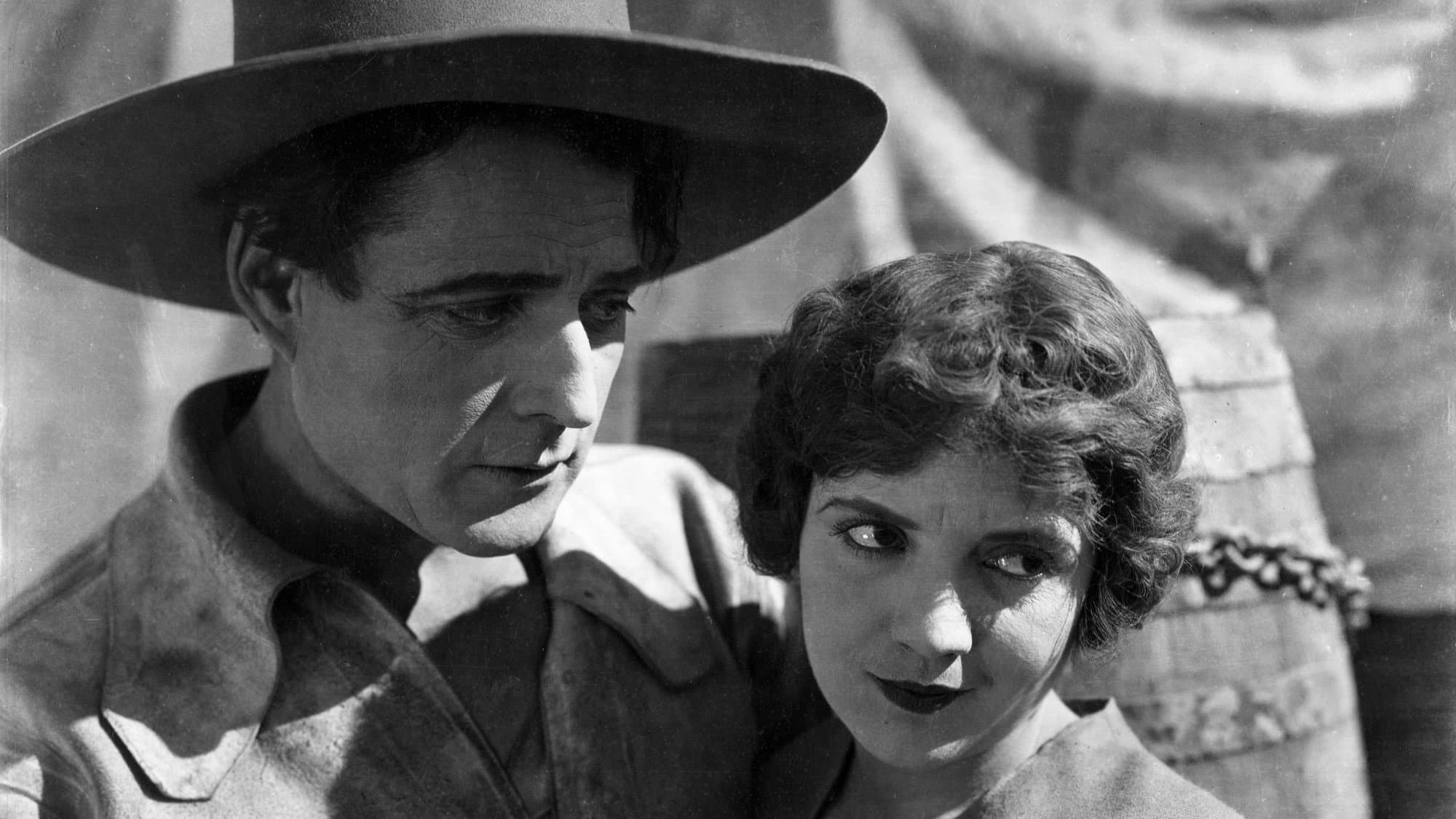
Before Hollywood consolidated its dominance, before German Expressionism made its mark, the most artistically advanced cinema in the world was coming out of Sweden and Denmark. Between roughly 1913 and 1924, Scandinavian filmmakers developed something no other national cinema had attempted: a form of screen storytelling rooted in landscape, natural light, and a moral seriousness inherited from Ibsen and Strindberg. Where other cinemas built sets, the Scandinavians went outside. Mountains, frozen lakes, coastal storms, and endless northern light became not just settings but active participants in the drama, externalizing the psychological states of characters who were themselves drawn with a novelistic complexity that was years ahead of the rest of the world.
The three towering figures are Victor Sjöström, Mauritz Stiller, and Carl Theodor Dreyer. Sjöström was the movement's conscience, a director-actor whose films about guilt, redemption, and the crushing weight of nature remain overwhelming a century later. Stiller was its sophisticate, equally capable of sweeping literary adaptation and razor-sharp social comedy. Dreyer, the Dane, was its radical, stripping cinema down to essentials with an austerity that only grew more uncompromising as the decades passed. Around them worked a constellation of less famous but equally interesting filmmakers: Benjamin Christensen, whose Häxan remains unlike anything else ever made; Karin Swanström, one of the era's rare female directors; and Per Lindberg, who brought a sharp urban sensibility to a tradition dominated by rural landscapes.
The golden age ended when Hollywood came calling. Sjöström and Stiller both left for America in the mid-1920s, taking Greta Garbo with them. Dreyer continued working in Europe on his own uncompromising terms. But the sensibility they forged never disappeared. It resurfaces in Bergman, in Tarkovsky, in every film that trusts landscape and silence to carry the emotional weight that dialogue cannot.
Explore collection