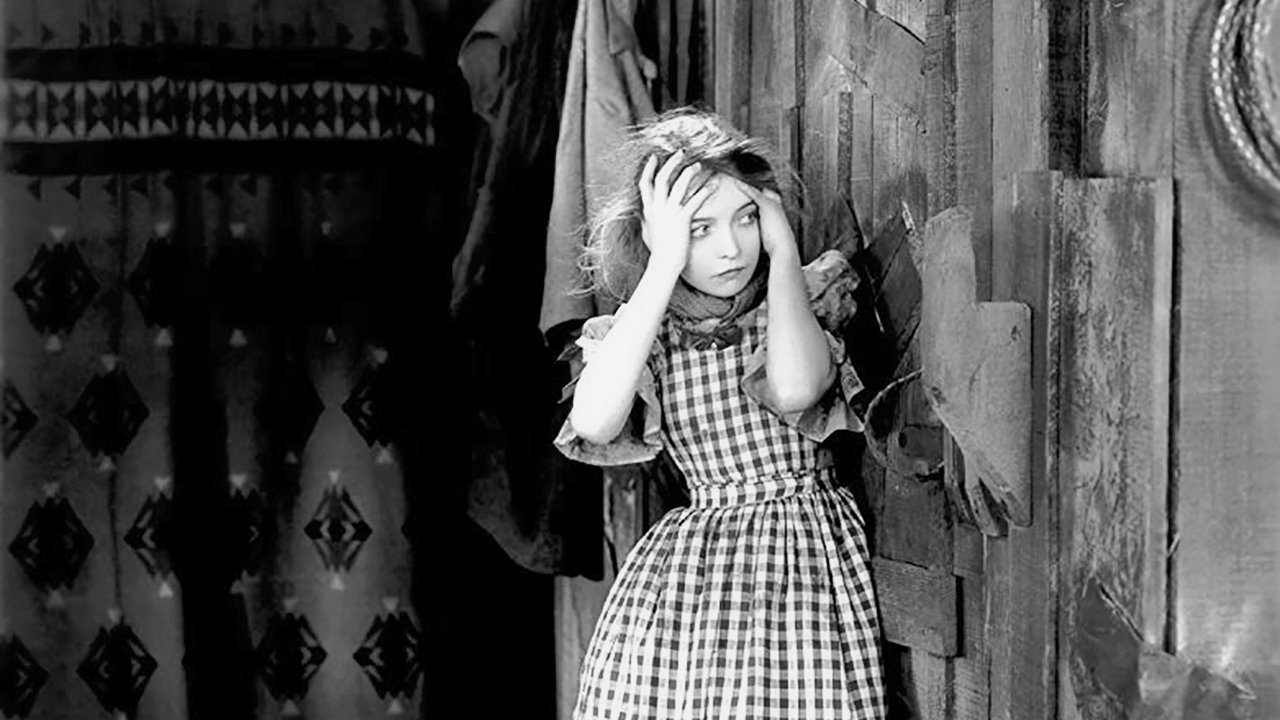
Spotlight: Lillian Gish
Gish came to Biograph in 1912 through Pickford and became Griffith's most exact instrument: a face that could hold a close-up without playing to the balcony. She did the ice floe in Way Down East herself; the hand never fully recovered. Orphans of the Storm is the last big Griffith collaboration. After that she picked Sjöström herself. Watch the small motions. Susie waiting. Lucy learning to smile with her fingers. Hester refusing to perform shame. The Wind is the late one, a Virginia woman worn down by Texas weather. The Birth of a Nation is in the list because she is in it. The picture's racial politics are the fact you do not get to skip.
12 films
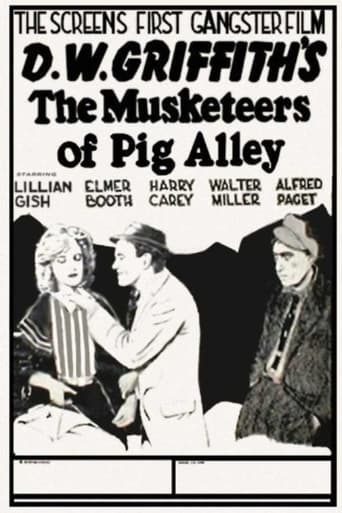
The Musketeers of Pig Alley
1912 · D. W. Griffith
Seventeen, a tenement wife, one reel. Griffith and Bitzer shoot the Lower East Side as a western, and Gish is the one figure in the alley who does not play to the back row. Watch her at the dance hall. She is already watching back.
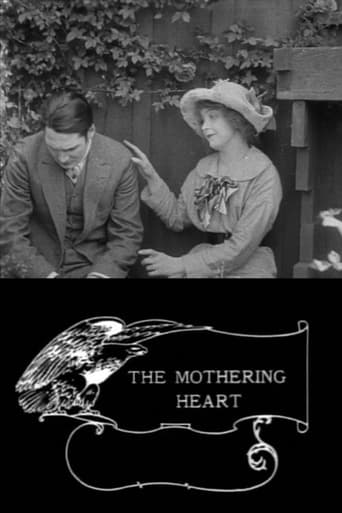
The Mothering Heart
1913 · D. W. Griffith
Two reels and one of the first parts that let her carry the grief. A garden, a puppy, a husband at a club, and Gish underplaying while the Biograph company around her is still waving. Watch her in the garden after she knows. The face does what the titles were for.

The Birth of a Nation
1915 · D. W. Griffith
In the list because she is in it. Elsie Stoneman, the senator's daughter, in a picture whose last reels present the Klan as rescue. The editing became grammar; the racism is the plot and the images. Watch her, and do not skip the rest. That is the condition of the film.
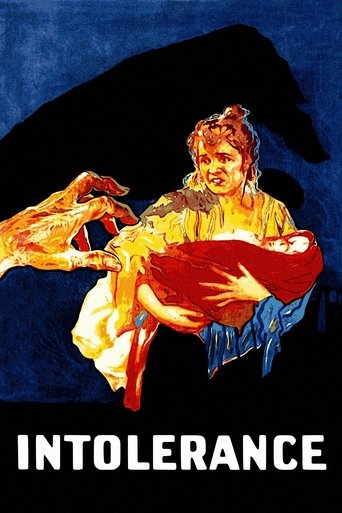
Intolerance: Love's Struggle Throughout the Ages
1916 · D. W. Griffith
The Woman Who Rocks the Cradle, a linking figure between four stories and two thousand years. Not a part, a posture. Gish holds it still enough that the film can cut away from her a hundred times and come back. Watch how little she moves. That is the job.

True Heart Susie
1919 · D. W. Griffith
Susie waiting. She sells the cow so the boy next door can go to college, and he comes home and marries a milliner. Gish called it a rural poem. Watch her at the fence and at the window. The performance is a series of decisions not to show what she feels, and the camera catches each one.
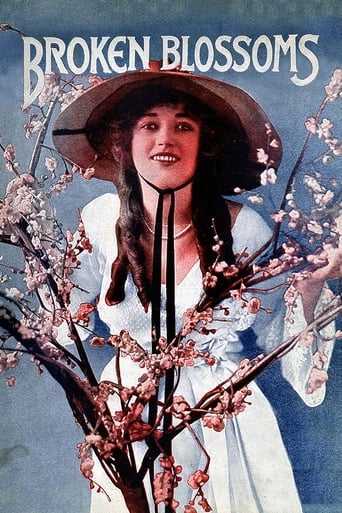
Broken Blossoms
1919 · D. W. Griffith
Lucy learning to smile with her fingers. A boxer's daughter who has forgotten how, pushing the corners of her mouth up because she is told to. Then the closet, rehearsed until the gesture was small enough. Gish in a chamber piece after the scale of Birth. This is the face the close-up was invented for.
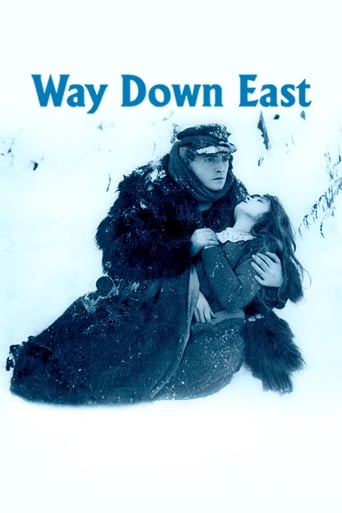
Way Down East
1920 · D. W. Griffith
The ice was real, the river was real, the hand in the water was her idea, and it never fully recovered. Anna tricked into a fake wedding and cast out by a town. Watch the baptism before the ice: Gish alone with a dying child is the smaller motion the big one is built on.
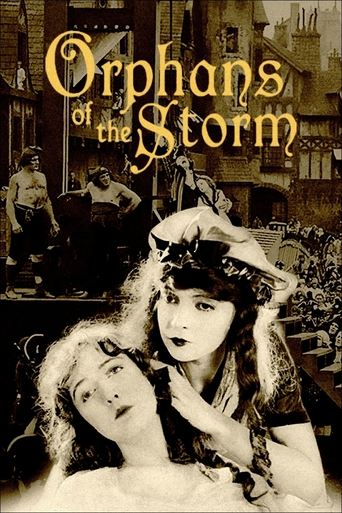
Orphans of the Storm
1921 · D. W. Griffith
The last Griffith. Both Gish sisters, Paris on the eve of the Revolution, a blind sister, a chevalier, and title cards warning America about Bolshevism. Watch Lillian on the scaffold steps. After this she picked her own directors.
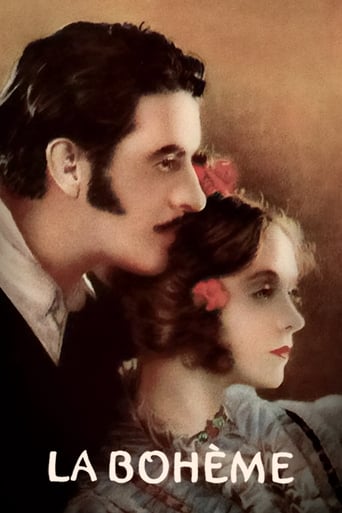
La Bohème
1926 · King Vidor
Mimi dying in a cold room, and Vidor shooting poverty as weather. Gilbert is the poet. Watch her hands on the coverlet. The Bohemians are extras. The film is her breathing.
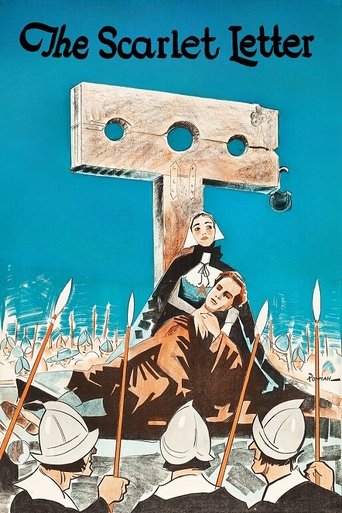
The Scarlet Letter
1927 · Victor Sjöström
Hester refusing to perform shame. The A is sewn on, the minister will not speak, and Gish chose Sjöström herself. Watch the scaffold. She stands with the child and does not lower her eyes. The community is the weather here, and she is the one thing in it that does not bend.
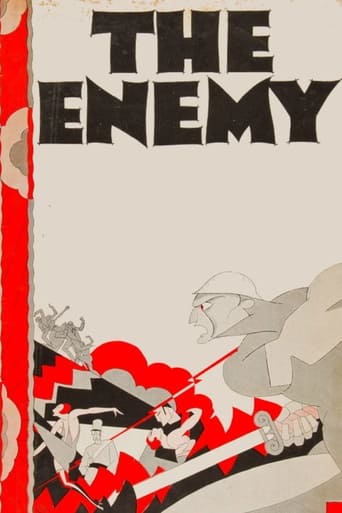
The Enemy
1927 · Fred Niblo
The last MGM picture, finished after The Wind and released first. A Vienna household starving through the war, a pacifist father losing his chair, a husband drafted. Gish carries the erosion in a kitchen. Watch her at the table when the food runs out. Small motions, again, and enough.
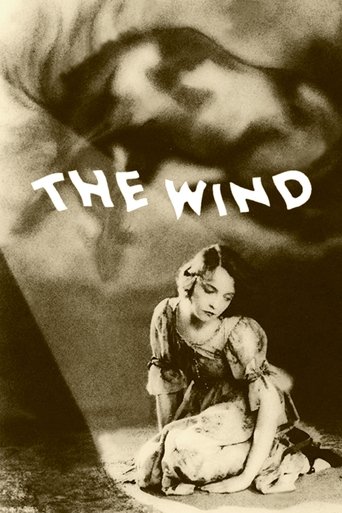
The Wind
1928 · Victor Sjöström
The late one. A Virginia woman worn down by Texas weather, propellers in the Mojave, sand under every door. She shoots a man and the ground gives him back. Watch her at the window while the wind works. The studio ending was not hers, and the performance before it does not need it.