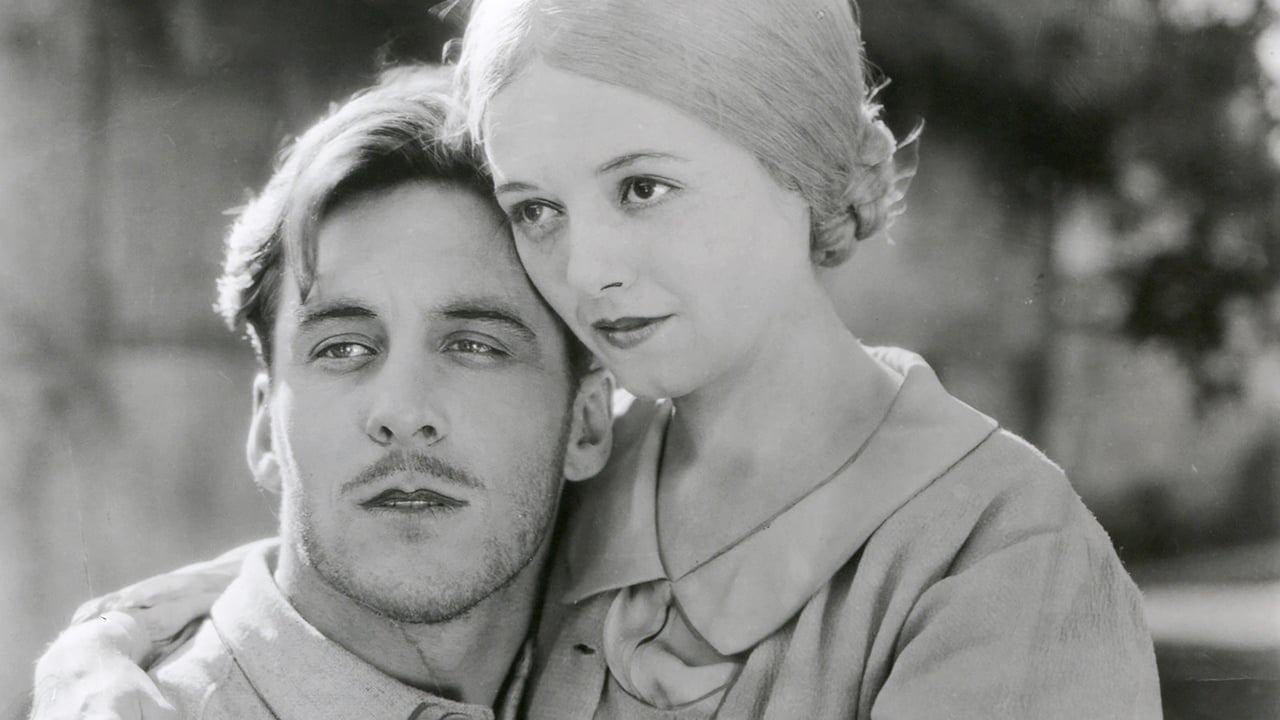
Passion and Desire
Silent pictures had to show wanting. They could not explain it away in a line. Garbo turning a chalice in Flesh and the Devil. Murnau's couple walking through traffic as if the cars were weather. Pabst's Lulu, who does not scheme; the damage happens around her. Wong in Piccadilly, desired and disposable in the same look. Watch who pays. Greed turns a lottery ticket into Death Valley. Room's Bed and Sofa treats a Moscow ménage as a housing problem. Dreyer's Michael is an aging painter and a younger man, played without a lecture. The tender ones, Lonesome and Docks of New York, are not safer. They just last a night.
20 films
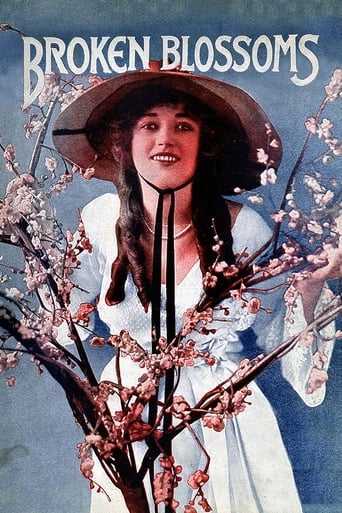
Broken Blossoms
1919 · D. W. Griffith
Wanting without touching. Cheng Huan dresses a beaten girl in silk and does not lay a hand on her, and the film spends its tenderness on a room. Gish in the closet is the price. Watch who pays: she does, and then he does.
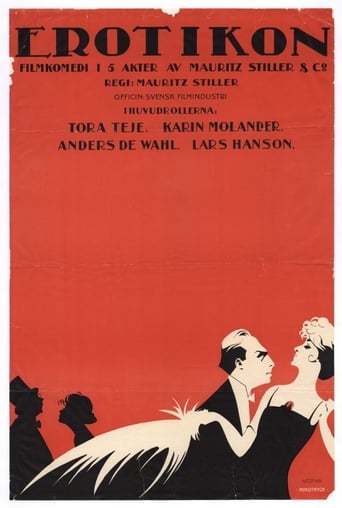
Erotikon
1920 · Mauritz Stiller
Wanting as an afternoon's arrangement. The professor lectures on beetles while his wife decides between a sculptor and an aviator, and nobody is punished for it. Watch who pays: for once, nobody, which is the joke and the scandal.
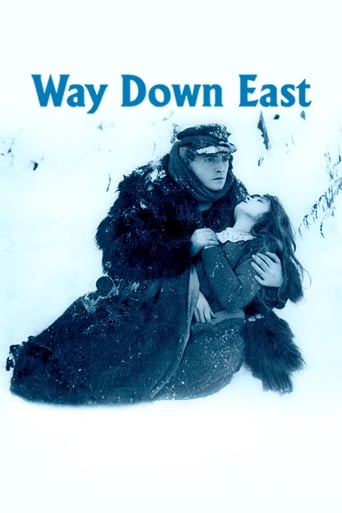
Way Down East
1920 · D. W. Griffith
Wanting used as a trick: a fake wedding, a dead child, a town that punishes the woman. Gish on real ice with her hand in the water was her own idea. Watch who pays. The film is furious about the answer, and the ice floe is the fury made physical.
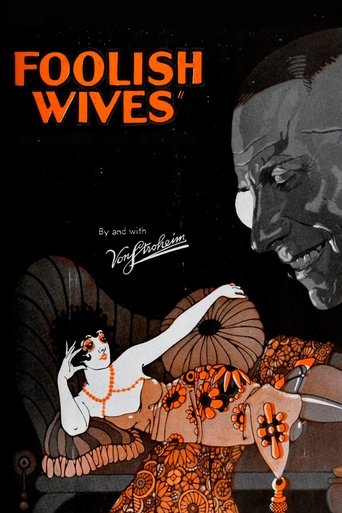
Foolish Wives
1922 · Erich von Stroheim
Wanting as a business. Stroheim's fake count works rich American women in a Monte Carlo he built on the lot and billed at a million. Thalberg took the picture away and cut it to a night's program. Watch the cousins counting. The desire here has a ledger.

A Woman of Paris: A Drama of Fate
1923 · Charlie Chaplin
Wanting played cool. Chaplin stays off screen and tells Menjou to underplay, and a kept woman chooses between a rich man's rooms and a poor man's studio without a lecture. Menjou's cigarette business is the school Lubitsch went to. Watch who pays: the artist, and his mother.
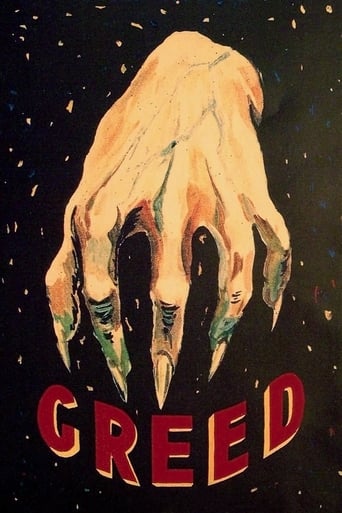
Greed
1924 · Erich von Stroheim
Wanting for gold. A lottery ticket turns a dentist's marriage into a death in the desert, and Stroheim shot the desert in midsummer. Trina in bed with the coins is the image. Two men handcuffed together in Death Valley is the bill. The missing hours were destroyed; what is left still ends there.
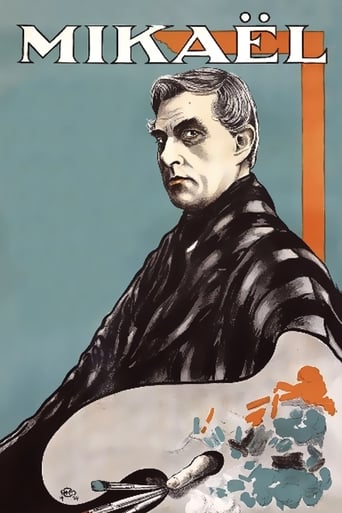
Michael
1924 · Carl Theodor Dreyer
Wanting between an aging painter and the young man he adopted, played without a lecture. Dreyer keeps it in the studio and the household. Christensen paints on while the room empties. Watch who pays: the master, in a last title that decides what his life was.
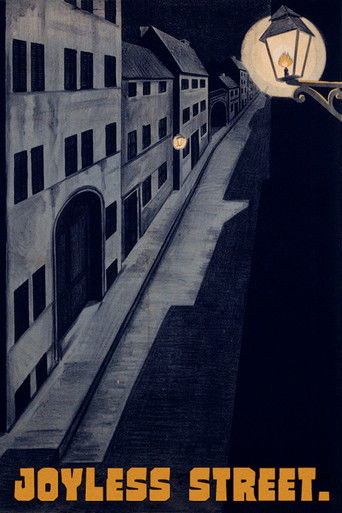
Joyless Street
1925 · G.W. Pabst
Wanting under hyperinflation. Garbo's family slides toward the butcher and the brothel on one street, and Nielsen takes the darker rooms. Krauss rations meat as power. Watch the queue at the butcher's door. Desire here is priced by the hour and paid in kind.
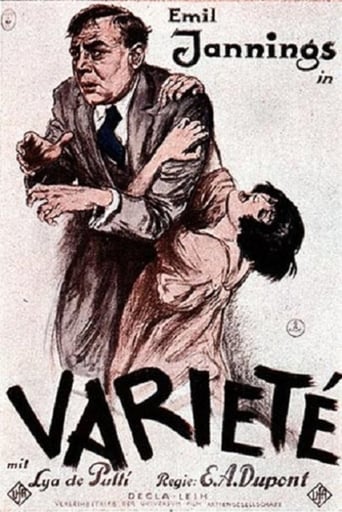
Variety
1925 · E.A. Dupont
Jealousy as a fall. Jannings takes a younger partner and cannot live with the triangle, and Freund swings the camera from the trapeze. The confession starts in prison. Watch the catcher's hands during the act. That is where the wanting lives.

Flesh and the Devil
1926 · Clarence Brown
Garbo turns the chalice to drink where Gilbert's lips were, and MGM had found what it was selling. The two were involved off screen, and Daniels lit them as if he knew. A duel, exile, a return. Watch who pays: the friend, and then the lake.
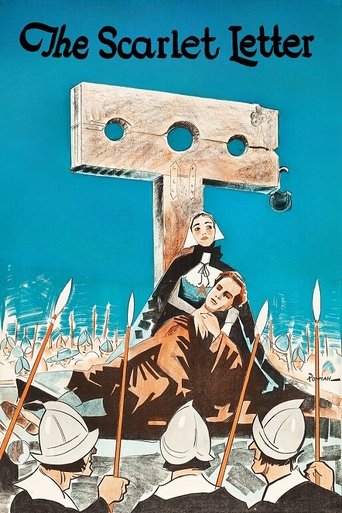
The Scarlet Letter
1927 · Victor Sjöström
Wanting with a letter sewn on it. Gish's Hester will not pretend, and Hanson's minister will not speak. Sjöström keeps the forest and the scaffold. Watch who pays: she does, in public, and he does, in private, which the film thinks is worse.
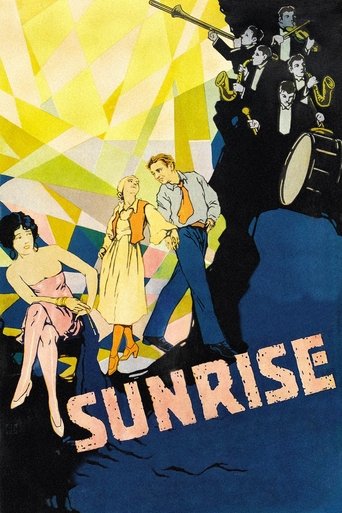
Sunrise: A Song of Two Humans
1927 · F. W. Murnau
Wanting nearly drowns a wife, and then a tram ride into the city and a walk through traffic as if the cars were weather. Murnau's camera moves like a decision. Watch the couple in the church watching someone else's wedding. That is the film's own vow.

Bed and Sofa
1927 · Abram Room
Wanting in one room, treated as arithmetic. A husband, a lodger, a wife, and a housing shortage. Room lets her be pregnant, go to the clinic, look at a pram, and take a train. Watch who pays. She does, and then she stops paying.
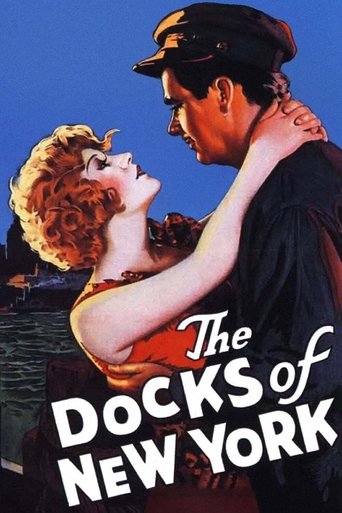
The Docks of New York
1928 · Josef von Sternberg
One night, a stoker, a woman pulled out of the harbor, a wedding in a saloon. Sternberg shoots fog and sweat and faces in smoke and treats the plot as a rumor. Compson's face at the wedding is the film. Nobody plans the next week. That is the tenderness.
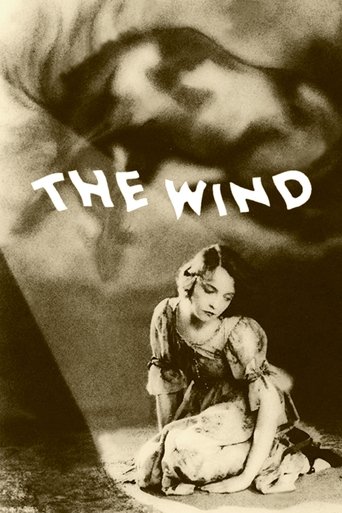
The Wind
1928 · Victor Sjöström
Wanting as weather. Letty is pushed into a marriage and then assaulted while the wind works the house, and the sand will not keep what she buries. Propellers in the Mojave stand in for a state of mind. Watch who pays. The studio ending says nobody; the film before it disagrees.

Lonesome
1928 · Pál Fejős
Two people, one Coney Island afternoon, and a crowd that swallows them. Fejös shoots the park as a machine. They lose each other and do not know they share a wall. The tender ones are not safer. This one just lasts a day.
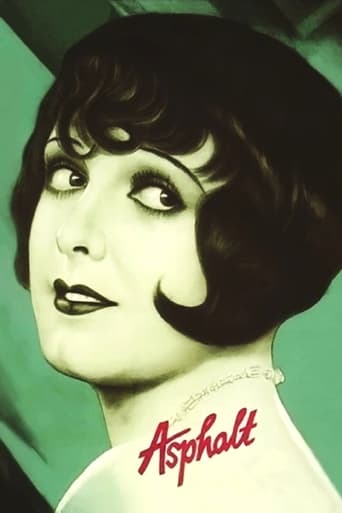
Asphalt
1929 · Joe May
Wanting on wet streets. A traffic cop, a jewel thief, and a bracelet caught on purpose. Betty Amann does most of the work with a look; Fröhlich does the rest with a uniform he cannot take off. Watch the bedroom scene. Watch who pays: his parents' apartment.

Pandora's Box
1929 · G.W. Pabst
Lulu does not scheme. The damage happens around her, and Brooks plays it as a woman looking at people who have already decided. A revue, a wedding, a courtroom, a ship, London. Watch who pays. Everyone, in order.
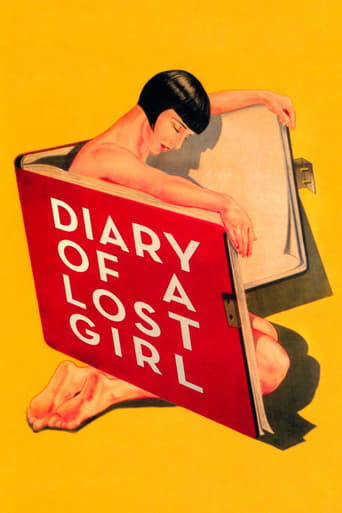
Diary of a Lost Girl
1929 · G.W. Pabst
Wanting punished by institutions. Thymian is seduced, sent away, drilled to a gong, and delivered to a brothel that is kinder than the reformatory. Brooks does almost nothing, and that is the performance. Watch who pays: the girl, and then, in the last reel, the people who sent her.
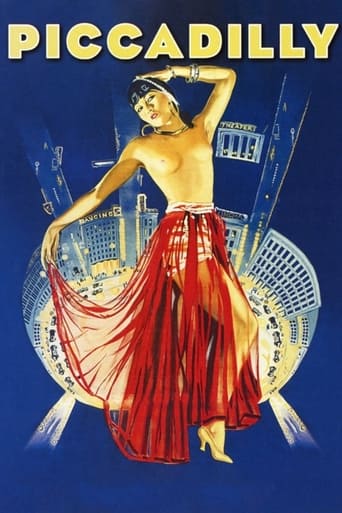
Piccadilly
1929 · E.A. Dupont
Desired and disposable in the same look. Shosho comes up from the scullery, takes the club, takes the owner, and the film does not pretend the city will allow it. The kiss was cut. Watch who pays. The answer is the courtroom.