American Comedy
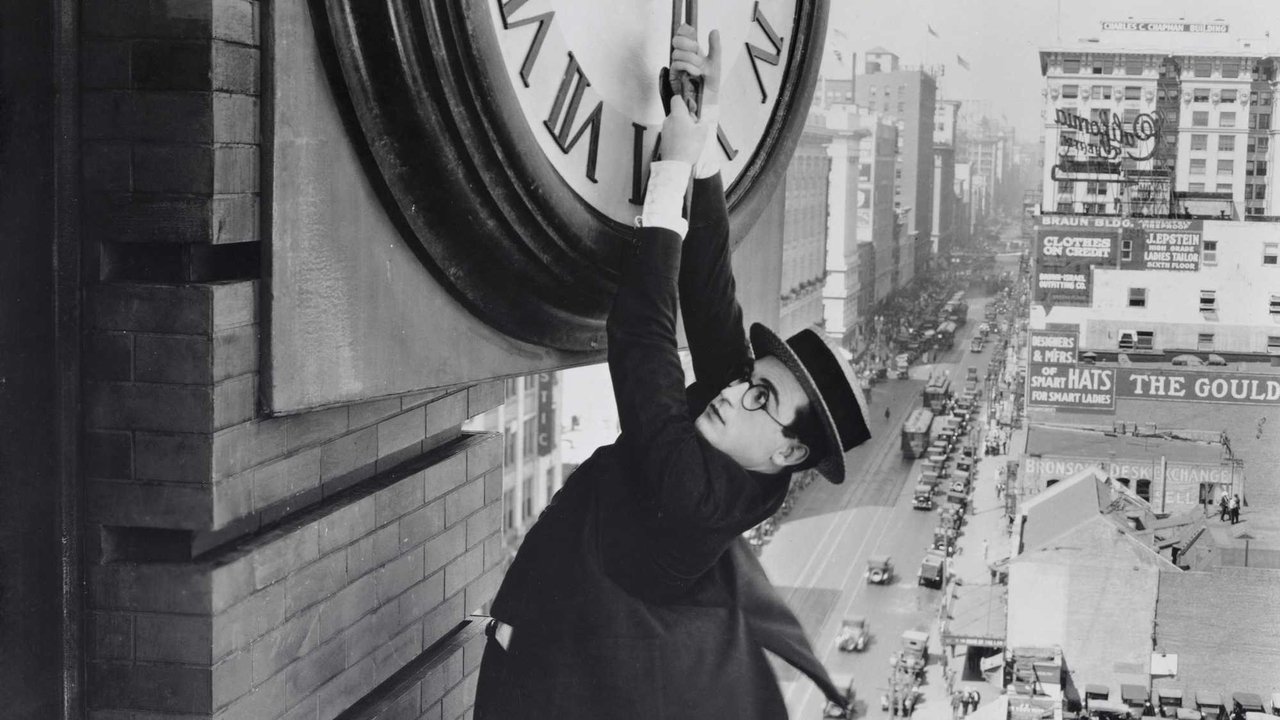
American screen comedy in these years is a set of methods, not a mood. Keystone started as a pile-up. Then the methods split. Chaplin built pathos into a walk. Keaton treated a gag like a load-bearing wall. Lloyd climbed because a job required it. Langdon moved as if the joke had not arrived yet. Laurel and Hardy destroyed a house by taking turns. Watch the face after the fall, and the clock Lloyd hangs from. City Lights is here as a 1931 silent, released after the talkies had won. The General did not earn its money back. That is useful. The engineering was never the same as the first-night laugh.
18 films
The Immigrant
1917 · Charlie Chaplin
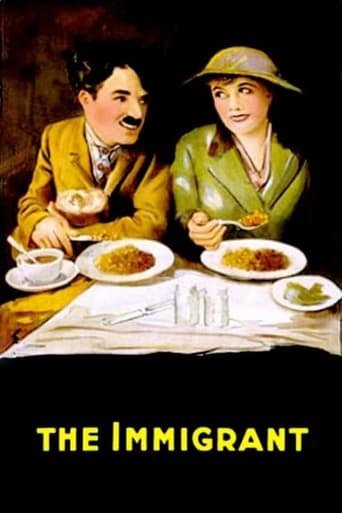
Chaplin's method arriving: a ship on rockers so the dining room heels as one piece, and the Statue of Liberty followed by a rope. Two reels, two halves, one coin. Watch the coin: it pays for the meal, then it does not.
The Rough House
1917 · Buster Keaton, Roscoe Arbuckle
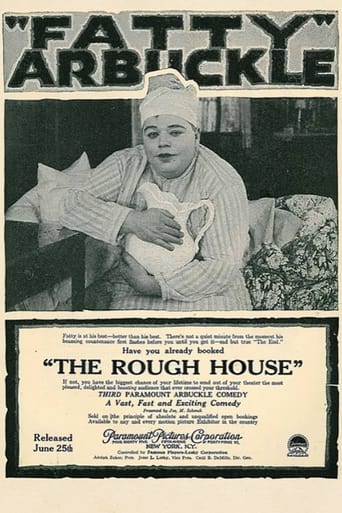
Keaton's first day on film, handed a broom. Arbuckle does the rest: the bedroom on fire, a loaf as a mop, a big man moving like a small one. The method here is still the pile-up. Keaton is already watching where the camera is.
One Week
1920 · Buster Keaton, Edward F. Cline
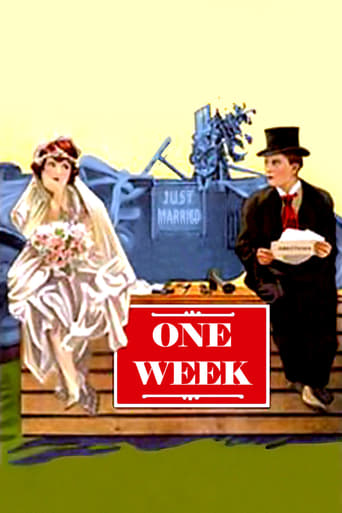
Keaton's method in nineteen minutes. A kit house built from renumbered crates, walls facing the wrong way, and then the whole thing spinning on a turntable in a storm. He built it full size because a model would not fall right. Engineering as punchline.
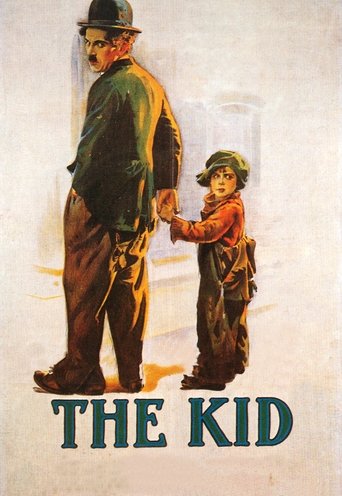
The Kid
1921 · Charlie Chaplin
Pathos built into a walk. The Tramp raises a boy in a garret, the boy breaks windows, the Tramp mends them, and the film treats it as a trade. Coogan matches him beat for beat. The scene at the truck, when the authorities come, is where the method is tested.
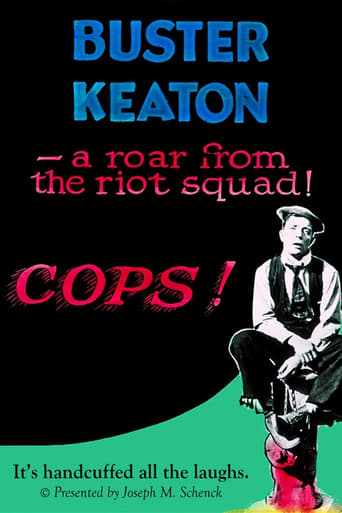
Cops
1922 · Buster Keaton, Edward F. Cline
A wagon of furniture, a police parade, and the whole department behind him. The chase is engineered like a machine, and Keaton moves through it without changing expression. The last shot is a gravestone, and the film means it.
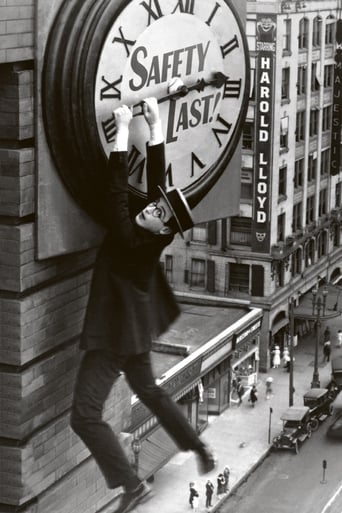
Safety Last!
1923 · Fred C. Newmeyer, Sam Taylor
The clock. Twelve floors of new problems, a mattress platform three stories down, and a clerk who climbs because a job requires it. Watch the face after each floor. Lloyd is not brave. He is late.
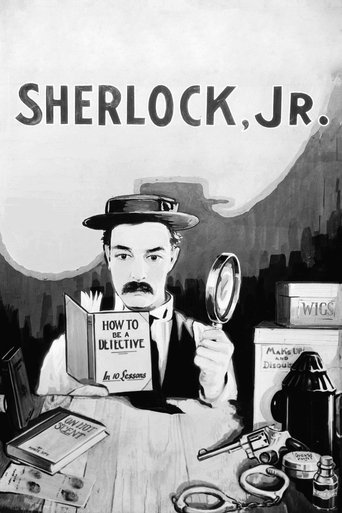
Sherlock Jr.
1924 · Buster Keaton
The projectionist walks into the screen and the cuts throw him from garden to street to lions. Then he wakes up and learns to kiss a girl by watching the movie. The method is precision: continuous action against a world that will not hold still.

The Gold Rush
1925 · Charlie Chaplin
The boot, the rolls, the cabin on the cliff: three mechanical problems solved for laughs. Licorice, forks, a set on rockers. The roll dance is performed for someone who did not come. Chaplin wanted this to be the one remembered, and the boot is why.
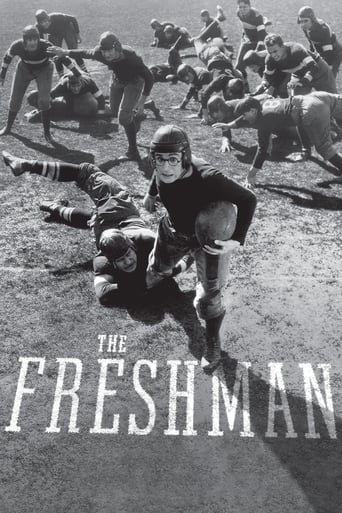
The Freshman
1925 · Fred C. Newmeyer, Sam Taylor
Lloyd's method applied to shame. A boy who learned popularity from the movies, a suit coming apart at the party, and a water boy waiting for the big game. The football game is what the crowd came for. The tuxedo is what the film is about.
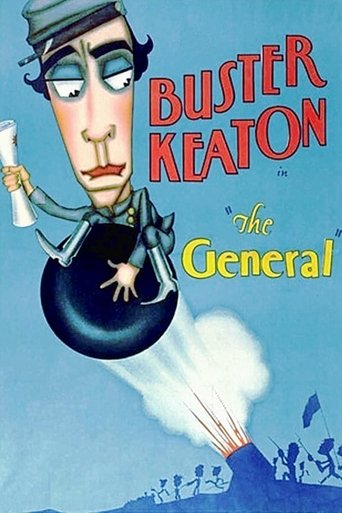
The General
1926 · Buster Keaton, Clyde Bruckman
A gag as a load-bearing wall. Real trains on real track, the frame kept wide enough to check the work, a bridge that fell once because it could only fall once. It lost money in 1927, which tells you the audience wanted the pile-up back.
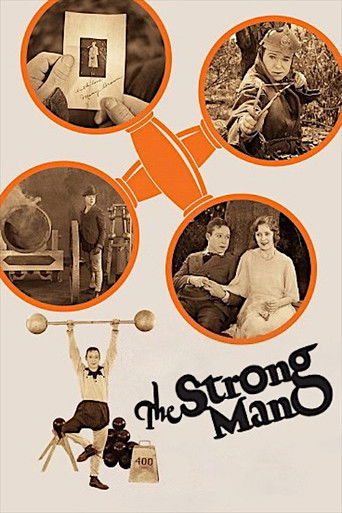
The Strong Man
1926 · Frank Capra
Langdon's method is delay. A gag is set up and then left hanging until it turns uneasy, and Capra, on his first feature, keeps the camera still enough to let it. The seduction scene, Langdon fending off a woman who wants what is in his coat, is the demonstration. The cannon in the revival tent is the payoff.
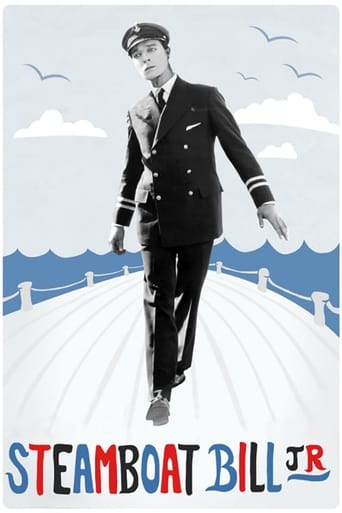
Steamboat Bill, Jr.
1928 · Charles Reisner, Buster Keaton
The wall. Two tons of facade falling around a man standing where the attic window will pass, inches to spare, one take. Then the cyclone keeps going, a whole town coming apart around a face that does not. His last independent picture.

The Circus
1928 · Charlie Chaplin
The tightrope with monkeys, shot after the fire on a rebuilt tent. The Tramp is funny only when he does not know he is being watched, and the film knows it. Chaplin barely spoke of it for decades. It is the one where the method looks at itself.
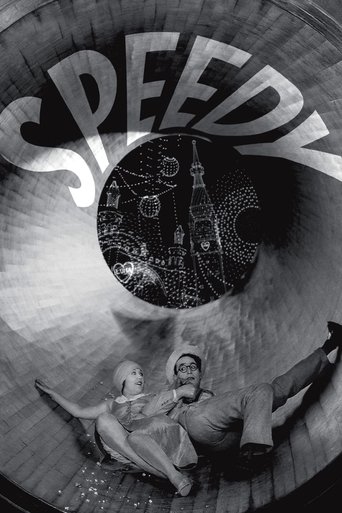
Speedy
1928 · Ted Wilde
Lloyd's last silent, and New York is the other performer. A real streetcar on real tracks, Babe Ruth in the back of a cab, Coney Island with the crowds left in. The chase through Manhattan traffic is the set piece. The city was not asked.
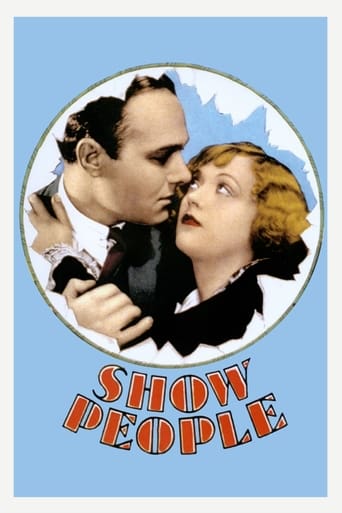
Show People
1928 · King Vidor
The comedy about comedy. Davies arrives wanting drama, gets a pie in the face, gets good at it, and then goes grand. Watch her try to cry on cue. Vidor shoots the studio as a workplace and lets Chaplin walk through the frame.
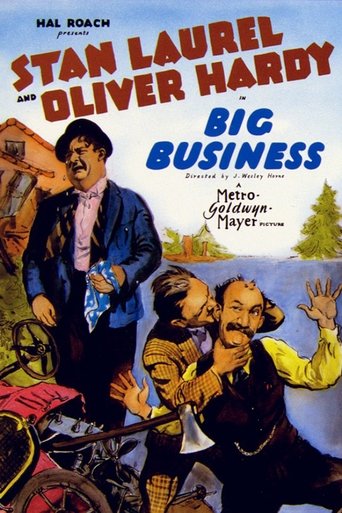
Big Business
1929 · James W. Horne
Laurel and Hardy's method: take turns. A Christmas tree in July, a slammed door, and then a house and a car dismantled one part at a time while the other man waits. Each pause is the joke. Shot on a real Culver City street.
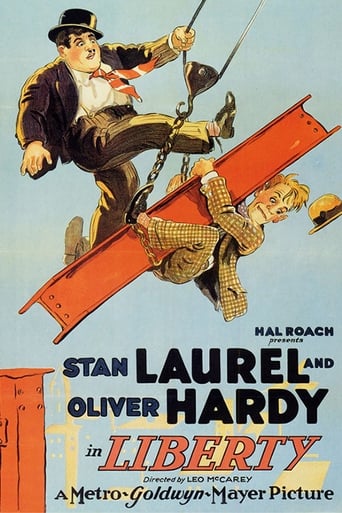
Liberty
1929 · Leo McCarey
Two convicts in each other's trousers on an unfinished skyscraper. McCarey climbs into Lloyd's territory and keeps the joke on the ground: the height is real, the problem is the pants. Watch the crab.
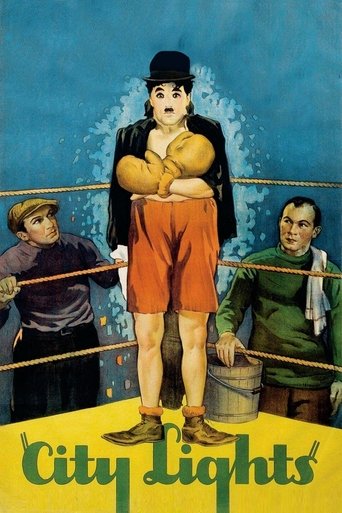
City Lights
1931 · Charlie Chaplin
A 1931 silent released after the talkies had won, and it made more money than anything he had done. The boxing match is the method at its most exact. The last shot, a woman recognizing a face she has never seen, is the reason it is here. Chaplin holds the close-up and does not explain it.