
German Expressionism
These films came out of a Germany that had just lost a war and then lost the value of money. The directors did not photograph that as news. They built it: crooked corridors, painted shadows, faces lit like they were already on trial. Caligari in 1920 is the usual starting point. The look leaks through the rest of the decade, then into Hollywood when a lot of the same people left in the 1930s. Watch for the moment the camera stops being a window and starts taking sides. M is in here as the late case. The sets go realistic. The dread does not.
19 films
From the Reading Room
- ESSAY
Where to begin with F.W. Murnau
A beginner’s path through the sublime silent cinema of F.W. Murnau
Ben Nicholson
21 DEC 2016
- ESSAY
Anton Kaes
12 NOV 2025
- ESSAY
Beatrice Loayza · San Francisco Silent Film Festival
20 MAY 2025
- VIDEO
Michael Wood · London Review of Books (LRB)
05 APR 2017
- VIDEO
Lancaster Silent Movies & Classic Film Club
24 FEB 2020
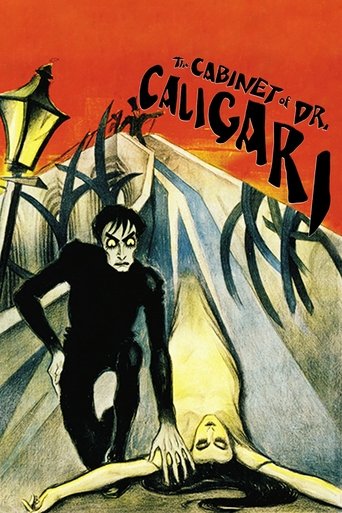
The Cabinet of Dr. Caligari
1920 · Robert Wiene
Start here because the argument starts here: a town painted crooked, and a frame story that asks whether the crookedness belongs to the world or to the man telling you about it. Everything else in this collection is a reply.
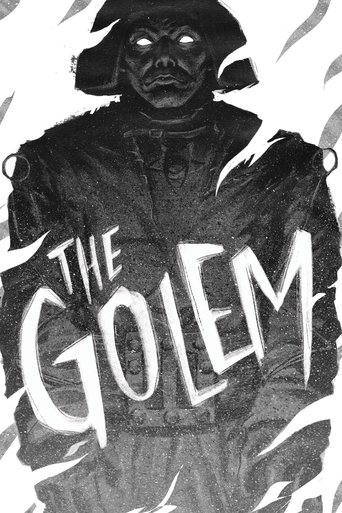
The Golem: How He Came Into the World
1920 · Paul Wegener, Carl Boese
Poelzig's ghetto is the counter-proposal to Caligari: not painted angles but walls that bulge and lean as if they breathe. The ending is a child, an apple, and a word pulled out of a chest at the gate.

From Morning to Midnight
1920 · Karlheinz Martin
The limit case. Kaiser's play shot as chalk lines on black, with the actors painted to match the sets, and no German distributor willing to touch it. Watch for the death's head that keeps surfacing in other people's faces.
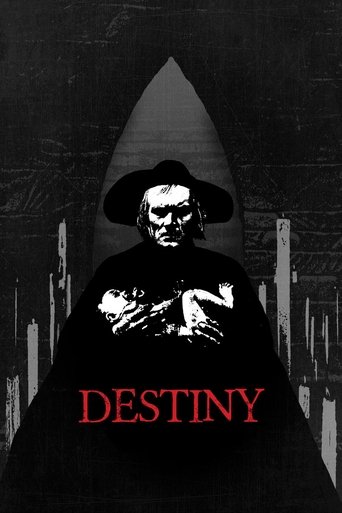
Destiny
1921 · Fritz Lang
Lang's first monument: a wall with no door, and a woman who has to argue her way through it three times. The flying carpet in the Chinese episode is the one Douglas Fairbanks bought the American rights to sit on until his own Thief of Bagdad was out.
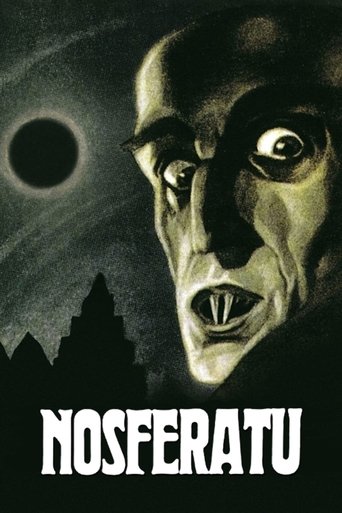
Nosferatu
1922 · F. W. Murnau
The one film here that goes outdoors, and the outdoors is worse. Orlok's shadow climbing the stairs is the image. The rats coming off the ship are the argument.
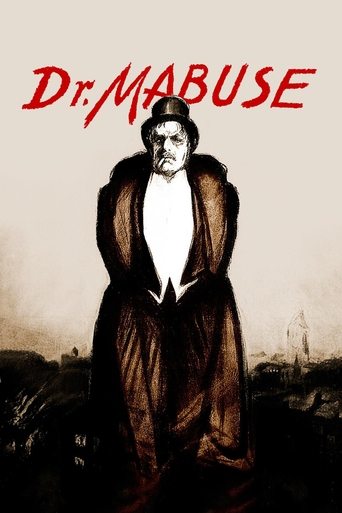
Dr. Mabuse, the Gambler
1922 · Fritz Lang
Expressionism without a painted set: the distortion is in the economy. Four and a half hours, and the shot of Mabuse's face floating over the emptied trading floor is the thesis in one frame.

Warning Shadows
1923 · Arthur Robison
A film about watching, made without story titles. The moment the shadow-player draws the guests' shadows off their bodies and onto the wall is the movement saying out loud what it thinks cinema is.
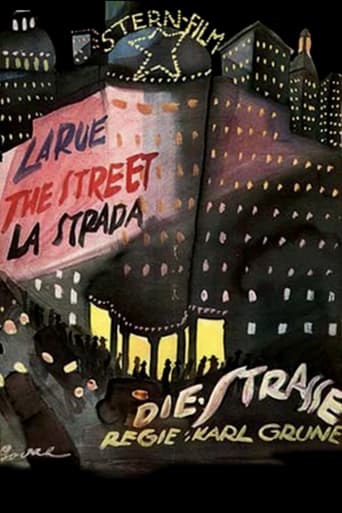
The Street
1923 · Karl Grune
The clerk at the window, the shadows of the crowd moving across his ceiling, the hat: that first scene is the street film being born. Grune lets the city seduce, then presents the bill.
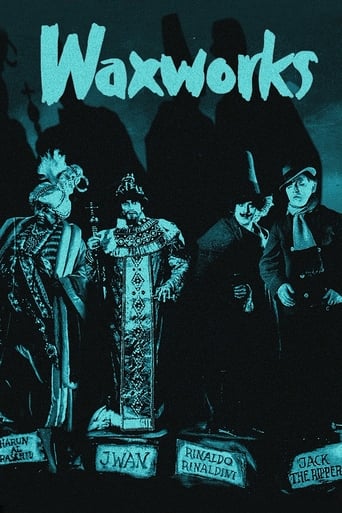
Waxworks
1924 · Paul Leni, Leo Birinski
Three figures, three scales: a joke, a torture chamber, a chase. The Jack the Ripper section, a few minutes of double exposures and streets that will not hold still, is Leni's audition for Hollywood, and it worked.
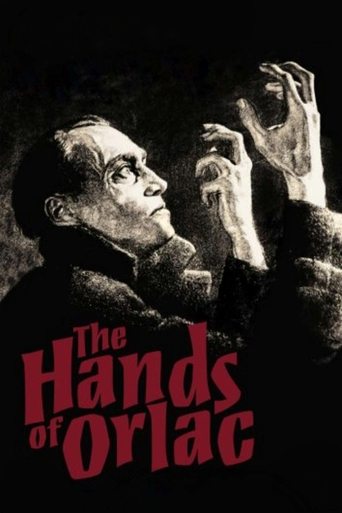
The Hands of Orlac
1924 · Robert Wiene
Wiene keeps the rooms almost real and moves the distortion into Veidt's hands. Watch him hold them away from his own body like something he has been handed and cannot put down.
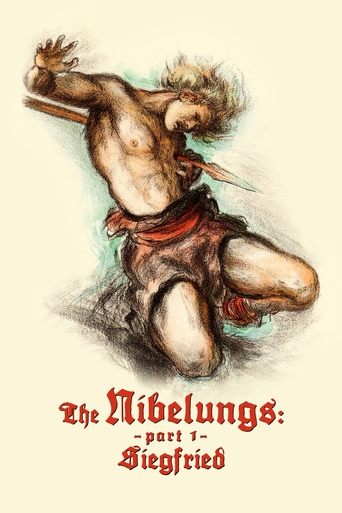
Die Nibelungen: Siegfried
1924 · Fritz Lang
The forest is a set with trees like columns and light that arrives as if it has been measured. The dragon is a full-size machine. Neither is here to be believed. Both are here to be looked at.
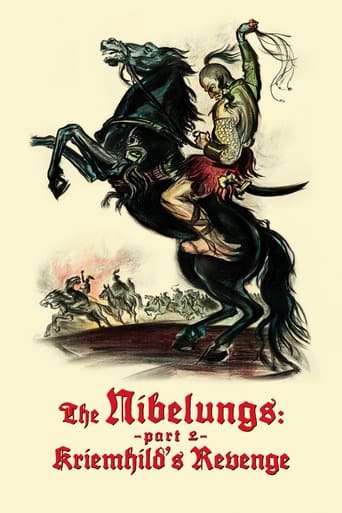
Die Nibelungen: Kriemhild's Revenge
1924 · Fritz Lang
The same architecture, now used as a cage. The burning hall at the end is the collection's argument in one set piece: geometry stops being beautiful and becomes a place people cannot get out of.
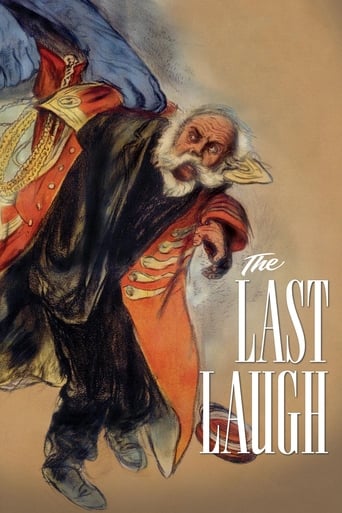
The Last Laugh
1924 · F. W. Murnau
Almost no titles, one uniform, and a camera Freund carried down a staircase and through a revolving door. The drunken dream after the wedding, shot on a camera that will not stand still, is where the unchained camera pays for itself.
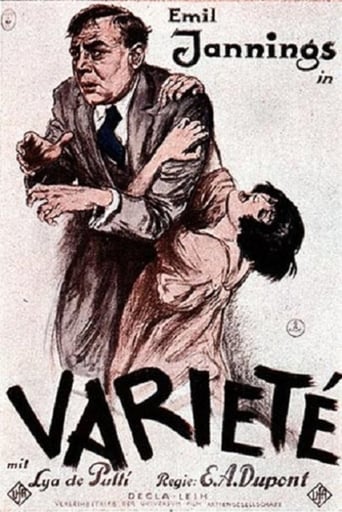
Variety
1925 · E.A. Dupont
The trapeze shots put the camera where the acrobat's eyes are, and the crowd becomes a smear of faces looking up. The plot is a triangle. Nobody remembers the plot.
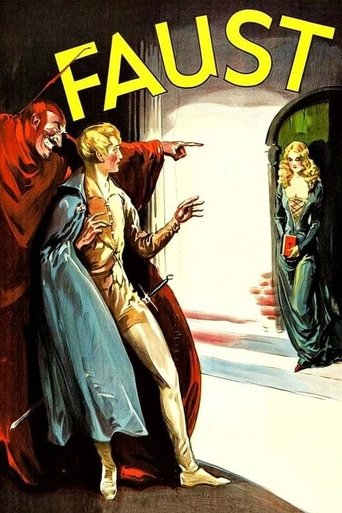
Faust
1926 · F. W. Murnau
Mephisto's cloak coming down over the town is the most reproduced image in this collection, and it is a model, a fan, and a great deal of smoke. Then the flight over the model landscape. Then Gretchen in the snow, which is the part that costs something.
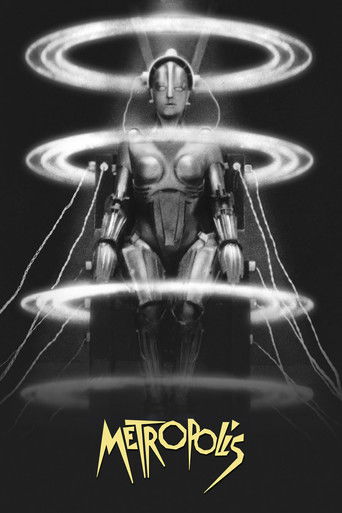
Metropolis
1927 · Fritz Lang
The Maschinenmensch's transformation is the trick. The shift change, workers moving in step down into the machine, is the film. Watch the second, not the first.
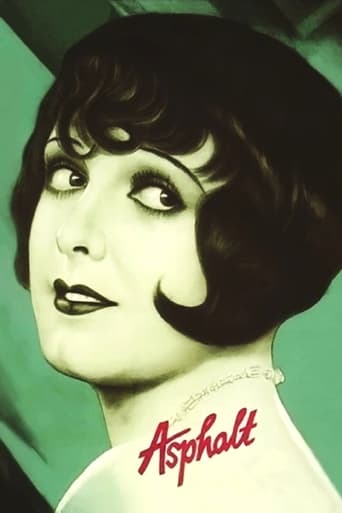
Asphalt
1929 · Joe May
The late version: painted dread gone, replaced by wet asphalt and a bracelet. The opening montage of Berlin traffic tells you the movement has left the studio for the city it was always about.
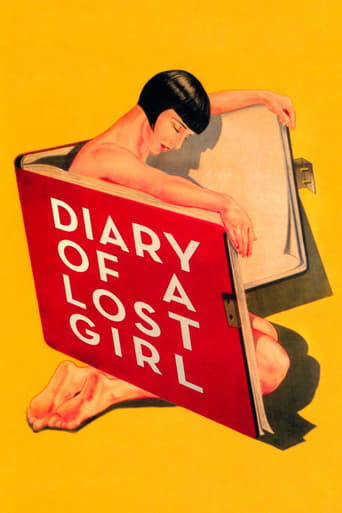
Diary of a Lost Girl
1929 · G.W. Pabst
Pabst's distortion is institutional. The reformatory dinner, girls spooning soup in time to a gong, does what a painted corridor did in 1920 with nothing but rhythm and faces.
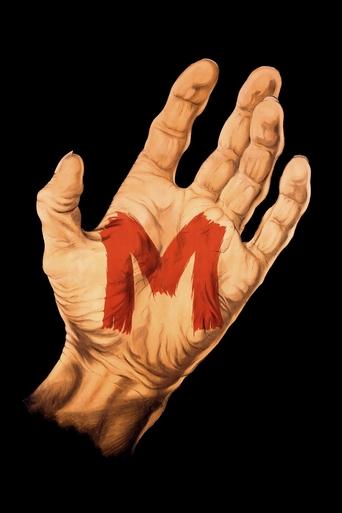
M
1931 · Fritz Lang
The end of the line: real streets, a real Berlin, and the murderer's shadow falling across his own wanted poster before you see his face. The kangaroo court turns the audience into the jury. That is the movement's last trick, and its best.