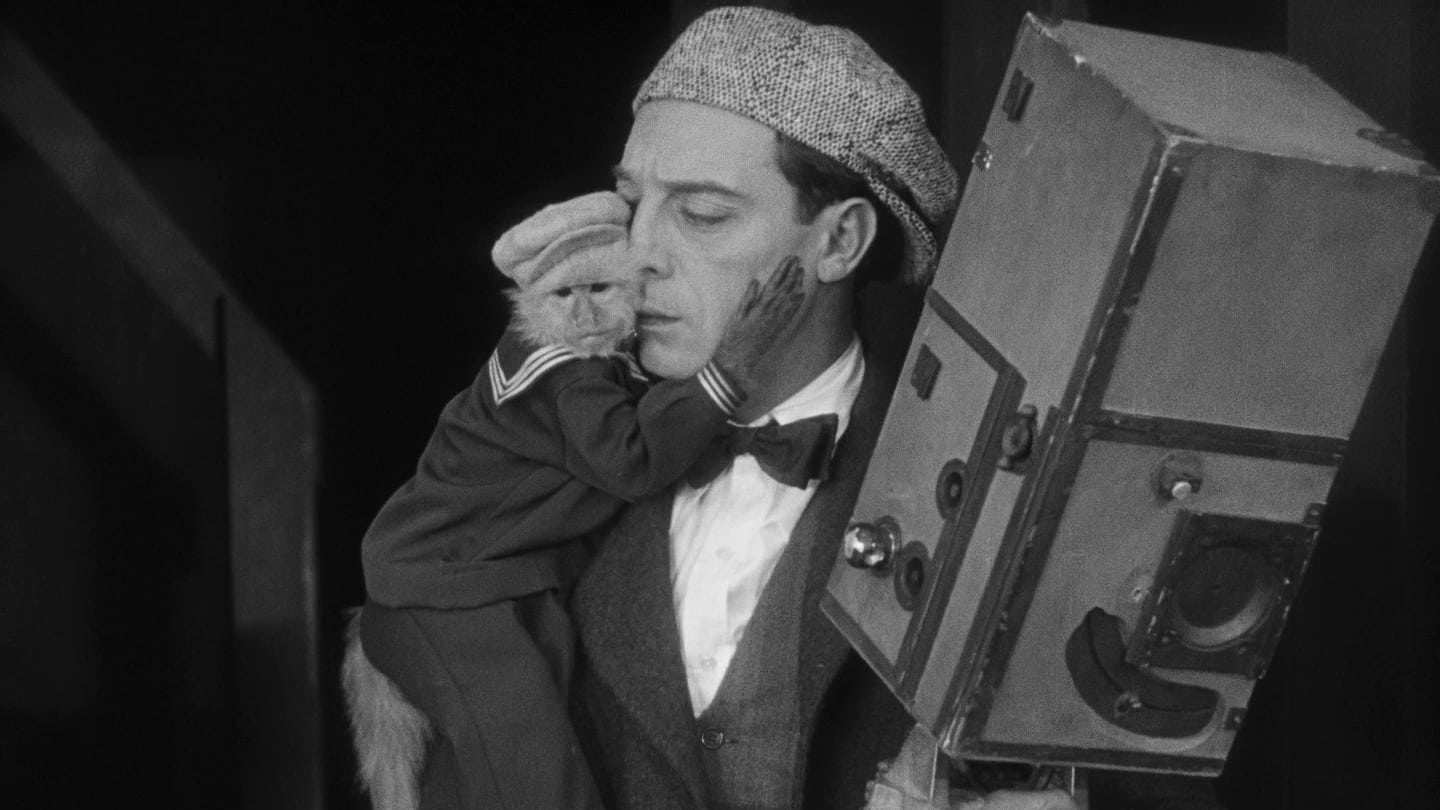
Pioneers: Buster Keaton
Keaton came out of knockabout vaudeville and spent the 1920s building gags you can still map. The independent shorts (One Week, Cops) are construction problems. The features are the same problems at town scale: a locomotive, an ocean liner, a house front that falls around the window he is standing in. The General did not earn its money back in 1927. The Cameraman is the first MGM picture and the last one that still feels like his. After that the studio took the notebook. These ten are the years he had it.
10 films
From the Reading Room
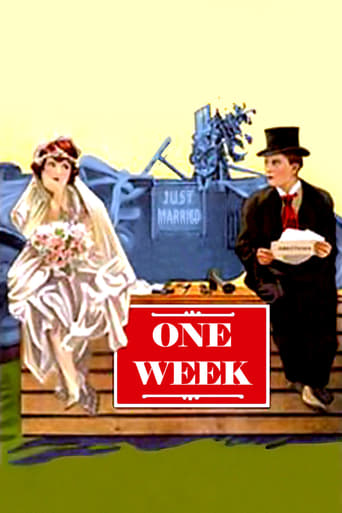
One Week
1920 · Buster Keaton, Edward F. Cline
The first construction problem: a kit house with the crates renumbered, walls facing the wrong way, and a turntable so the whole thing can spin in a storm. Full size, because a model would not fall right. Then a train. The notebook opens here.

The Goat
1921 · Malcolm St. Clair, Buster Keaton
The poster does the accusing. He sits down in front of it and the city takes the hint. Two reels: the chase, the clay bust that turns into his face, the jump onto a moving train. Watch him ride the front of the car through traffic without moving. That is the map.
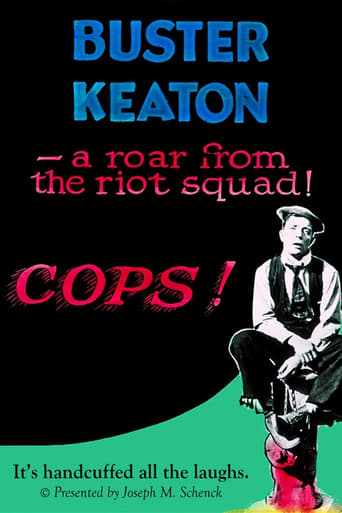
Cops
1922 · Buster Keaton, Edward F. Cline
A wagon of furniture, a police parade, and every cop in the department. The chase is built like a machine and he goes through it without changing expression. The ladder across the fence is the gag you can still draw. The last shot is a gravestone, and it is not kidding.
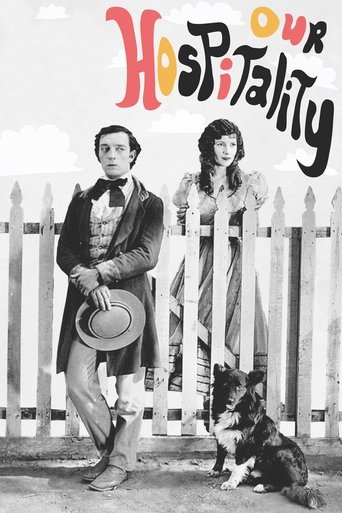
Our Hospitality
1923 · Buster Keaton, John G. Blystone
The first feature that is his all the way through. A train that is real, a feud since 1810, and a dinner where the hosts cannot kill him while he is under their roof. The dam and the waterfall are the last act; the rope was real too. He built a century as a set and then fell off it.
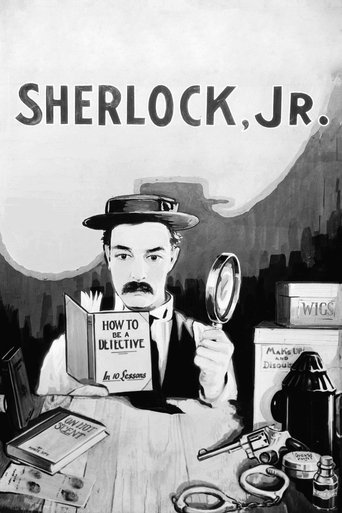
Sherlock Jr.
1924 · Buster Keaton
The projectionist walks into the picture and the cuts throw him around. The film-within-the-film is the construction problem: continuous action, changing backgrounds, a body that has to land in each. The water tower broke his neck. He finished the picture. Then he learns to kiss from the movie.
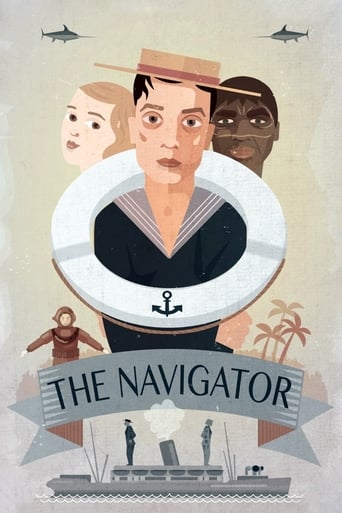
The Navigator
1924 · Donald Crisp, Buster Keaton
An ocean liner for two. The problem is scale: a kitchen built for a crew, a coffee pot on a pulley, a deck that will not end. The diving-suit reel was shot in a tank. His biggest money picture. Watch him figure out the eggs. The gag is the engineering.
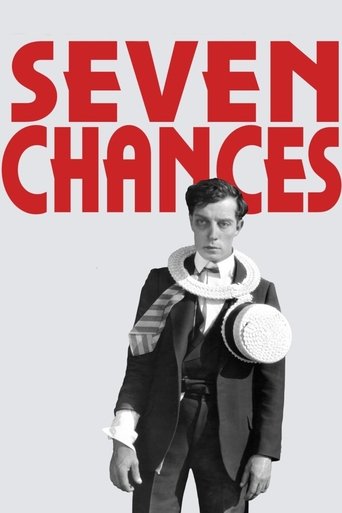
Seven Chances
1925 · Buster Keaton
Marry by seven or lose the fortune. The first two acts are the play. Then the church fills, and after a preview laugh at a rock, they went back and built a mountainside of boulders. The chase down the hill is real stone and prop stone mixed. He timed each one by inches.
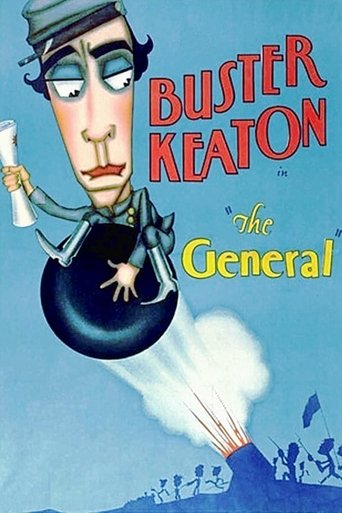
The General
1926 · Buster Keaton, Clyde Bruckman
The problems at town scale. A real locomotive, real track, a real bridge that could only fall once. Johnnie Gray wants the engine and the girl back, in that order. It did not earn its money back. The frame is wide so you can check his work, and you can.
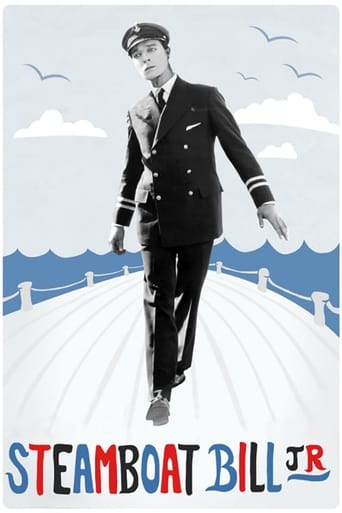
Steamboat Bill, Jr.
1928 · Charles Reisner, Buster Keaton
The house front. Two tons, one take, an attic window, inches. Gabourie built it and Keaton stood where he had marked. The cyclone is the whole last act, and the town comes apart around a face that does not. The last independent production.
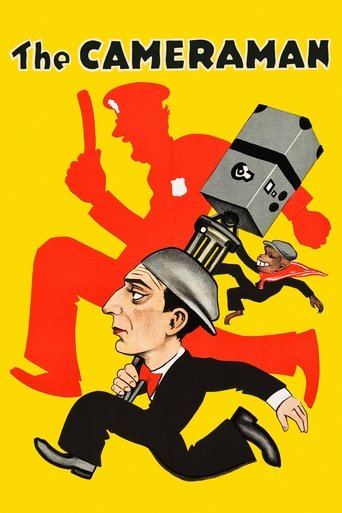
The Cameraman
1928 · Edward Sedgwick, Buster Keaton
The first MGM picture and the last that still feels like his. A tintype man buys a newsreel camera and learns what one is. The empty Yankee Stadium, a World Series played by nobody, is Keaton on looking. The Chinatown tong war is Keaton on getting the shot. After this the studio took the notebook.