American Spectacle
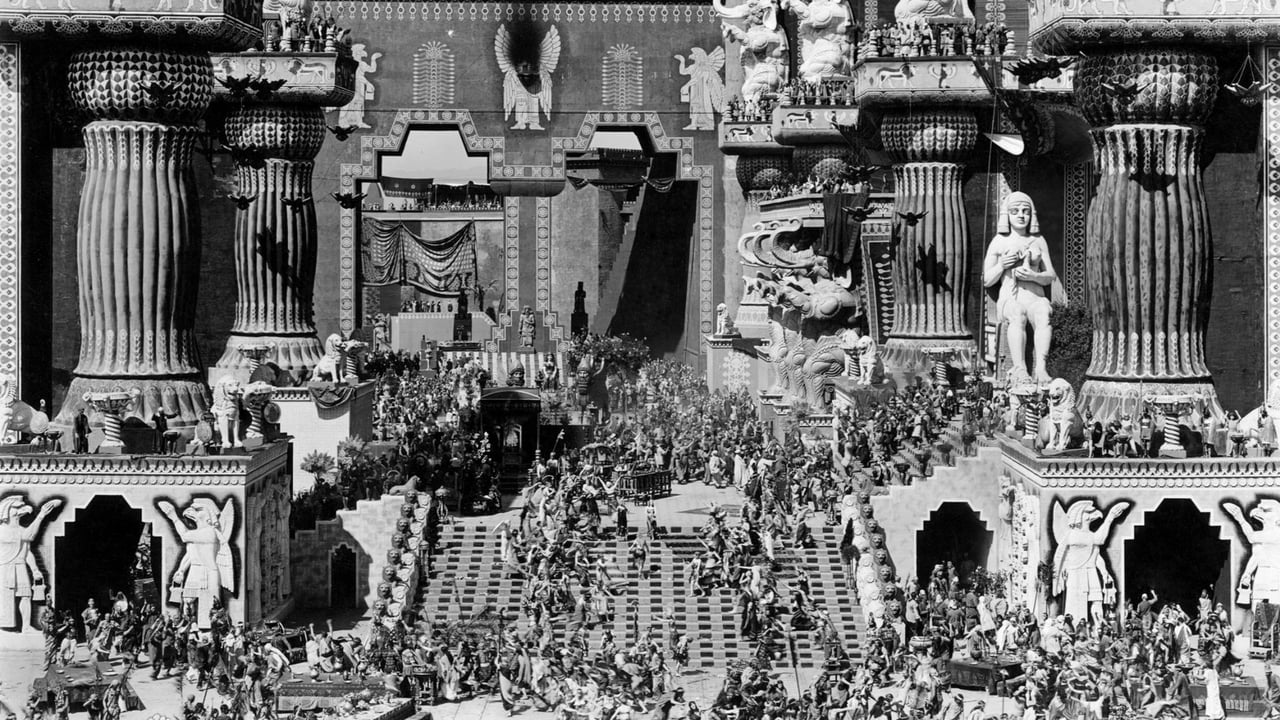
Hollywood's silent era was an age of astonishing ambition. Filmmakers mounted productions of breathtaking scale, constructing entire ancient cities on studio backlots, sending cameras to the Arctic and the jungles of Siam, and staging battle sequences with thousands of extras. These films represent cinema as spectacle in its purest form. From D.W. Griffith's colossal vision in Intolerance to the aerial dogfights of Wings and Hell's Angels, this collection showcases the grand epics, sweeping adventures, and larger-than-life productions that defined American cinema's first golden age. What unites them is a shared conviction that the movie screen could contain anything the imagination dared to attempt.
19 films
Intolerance: Love's Struggle Throughout the Ages
1916 · D.W. Griffith
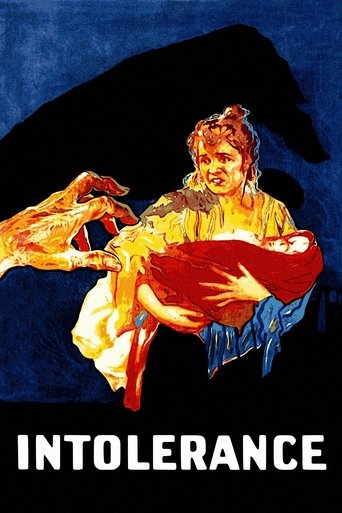
Griffith's impossible ambition made real. Four parallel stories spanning Babylonian empires, the life of Christ, the St. Bartholomew's Day Massacre, and a modern melodrama, all intercutting with mounting intensity. The Babylonian set alone remains one of the largest ever constructed. A commercial disaster that changed filmmaking forever.
The Mark of Zorro
1920 · Fred Niblo
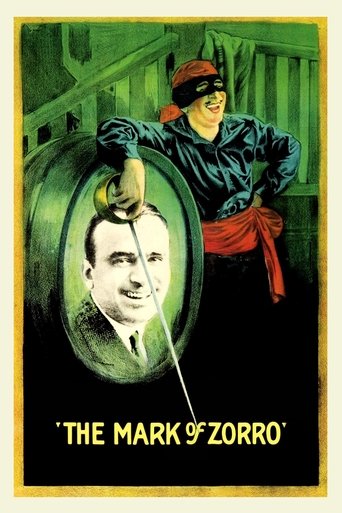
Douglas Fairbanks transformed from comedy star to swashbuckling icon with this film, essentially inventing the modern action-adventure movie. His athletic grace and infectious energy set the template for every masked hero who followed, from Errol Flynn to Batman.
The Four Horsemen of the Apocalypse
1921 · Rex Ingram
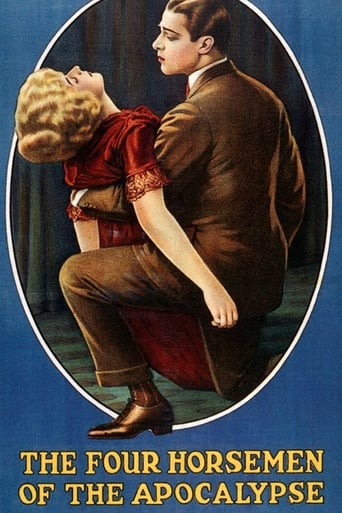
Rex Ingram's epic adaptation of the Blasco Ibáñez novel made Rudolph Valentino an overnight sensation and became the highest-grossing film of 1921. Its depiction of World War I's devastation across two branches of an Argentine family gave American audiences their most visceral encounter with the Great War.
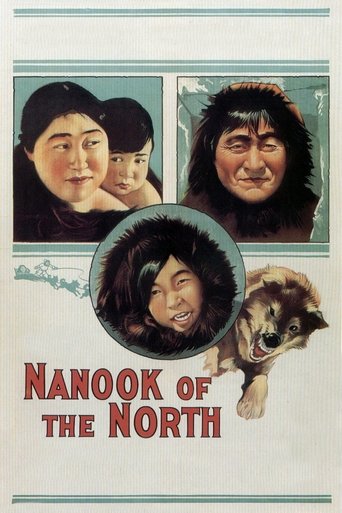
Nanook of the North
1922 · Robert Flaherty
Robert Flaherty ventured to the Canadian Arctic and brought back cinema's first great documentary feature. Though Flaherty staged many sequences, the film's power lies in its sheer physical immediacy. You feel the cold, the hunger, the vast indifference of the landscape. It proved that real life could be as gripping as any fiction.
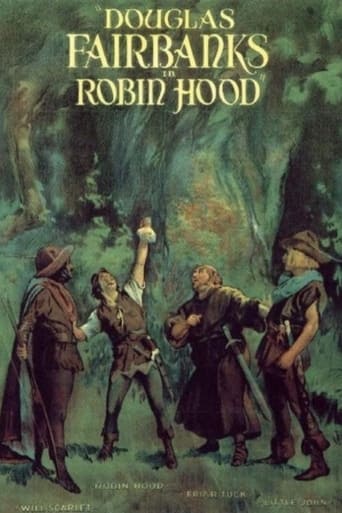
Robin Hood
1922 · Allan Dwan
Fairbanks' most lavish production featured the largest interior set ever built in Hollywood at that time, a castle so enormous that Fairbanks reportedly felt intimidated by his own creation. The sheer physicality of his performance, leaping, climbing, swinging through space, makes modern CGI spectacle feel strangely weightless by comparison.
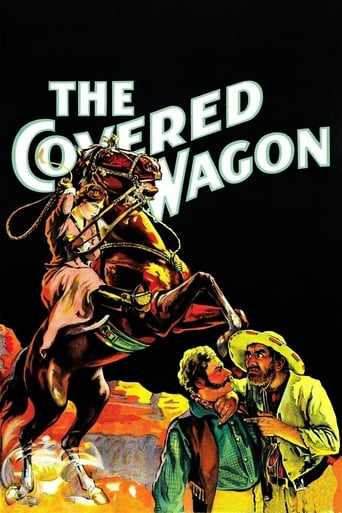
The Covered Wagon
1923 · James Cruze
James Cruze's sweeping account of a wagon train's journey along the Oregon Trail was the first epic Western. Shot on location in Nevada with hundreds of real covered wagons, it captured the mythology of westward expansion on a scale that wouldn't be matched until John Ford's later work.
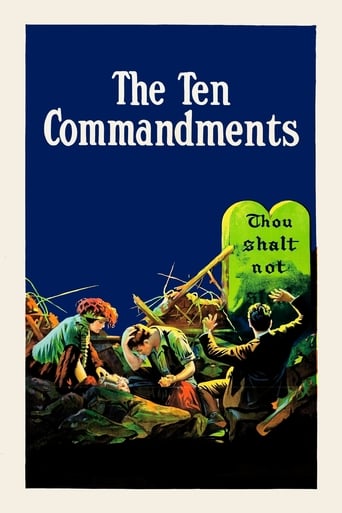
The Ten Commandments
1923 · Cecil B. DeMille
Cecil B. DeMille's first crack at the Moses story is really two films in one: a spectacular ancient prologue featuring the parting of the Red Sea (achieved with practical effects that still impress) followed by a modern morality tale. DeMille understood better than anyone that audiences wanted spectacle with a veneer of moral instruction.
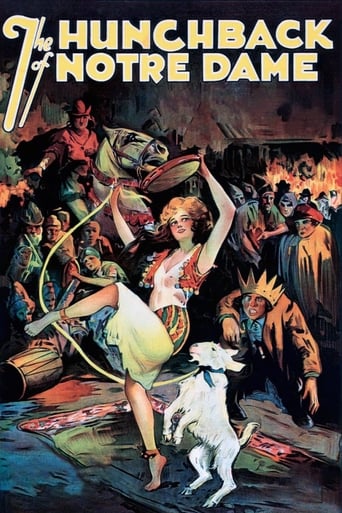
The Hunchback of Notre Dame
1923 · Wallace Worsley
Universal constructed a massive replica of Notre-Dame cathedral on their backlot for this production, and Lon Chaney's extraordinary physical transformation into Quasimodo drew enormous crowds. The film's scale, from the teeming Parisian streets to the cathedral's towering heights, made it one of the decade's biggest box office successes.
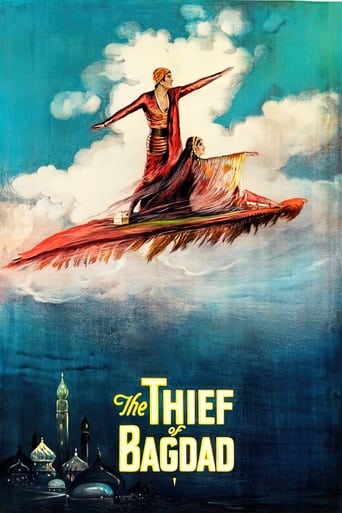
The Thief of Bagdad
1924 · Raoul Walsh
The crown jewel of Fairbanks' career and arguably the most visually imaginative American film of the silent era. William Cameron Menzies' Art Deco fantasy sets are breathtaking, and the special effects, including a flying carpet, an underwater kingdom, and a winged horse, pushed the boundaries of what cinema could conjure.
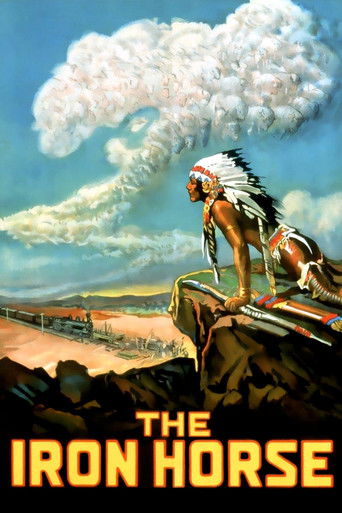
The Iron Horse
1925 · John Ford
John Ford's first epic, a sweeping account of the building of the transcontinental railroad. Ford shot on location in the Nevada desert with thousands of extras, real locomotives, and actual Native American performers. The film established Ford's gift for weaving intimate human stories into vast historical canvases.
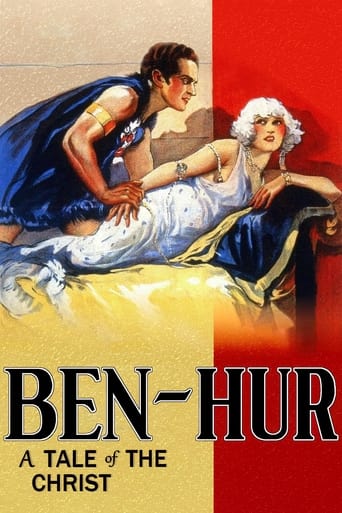
Ben-Hur: A Tale of the Christ
1925 · Fred Niblo
The chariot race alone would secure this film's place in history, but the entire production is a monument to silent-era ambition. Begun in Italy under massive cost overruns and scandals, then largely reshot in Culver City, it nearly bankrupted MGM before becoming the studio's biggest hit. The sea battle sequence used thousands of extras and remains genuinely harrowing.
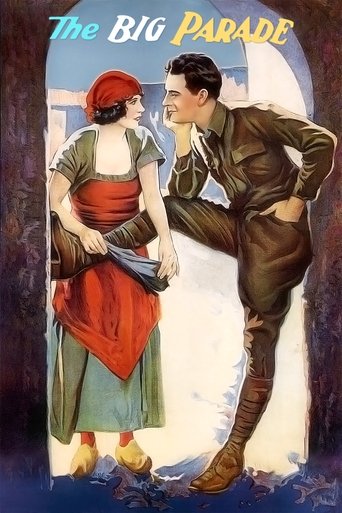
The Big Parade
1925 · King Vidor
King Vidor's World War I epic became the highest-grossing film of the silent era. Its genius lies in the contrast between the lighthearted first half, all camaraderie and romance in a French village, and the devastating second half in the trenches. The long march through Belleau Wood, with soldiers falling silently one by one, is among the most powerful sequences in all of silent cinema.
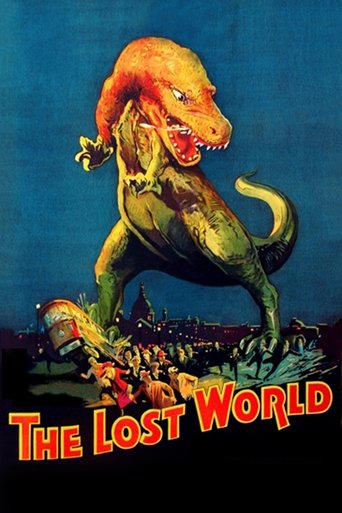
The Lost World
1925 · Harry O. Hoyt
Willis O'Brien's pioneering stop-motion dinosaurs made this Arthur Conan Doyle adaptation a sensation and laid the direct groundwork for King Kong eight years later. Audiences genuinely gasped at the sight of living, breathing prehistoric creatures. The climactic brontosaurus rampage through London remains a landmark of special effects history.
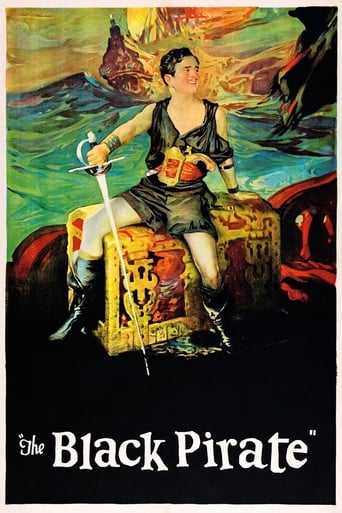
The Black Pirate
1926 · Albert Parker
Shot entirely in early two-strip Technicolor, this is Fairbanks at his most playful and athletic. The famous scene of him sliding down a ship's sail on a knife blade was achieved practically, and the lush color photography gives the whole production the feeling of a storybook illustration come to life.
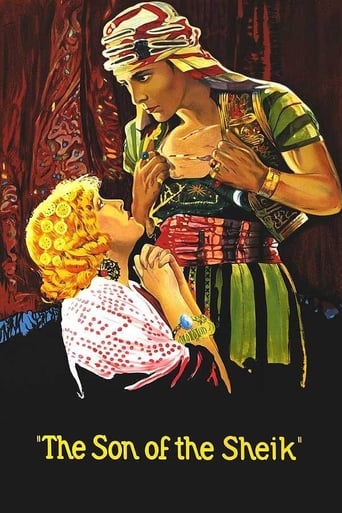
The Son of the Sheik
1926 · George Fitzmaurice
Valentino's final film is pure romantic spectacle, a desert adventure crackling with physicality and passion. He plays both father and son through clever double-exposure work, and the action sequences have a vitality that his earlier Sheik film lacked. Released just weeks after his sudden death at 31, it became a phenomenon fueled by genuine public grief.
Wings
1927 · William A. Wellman
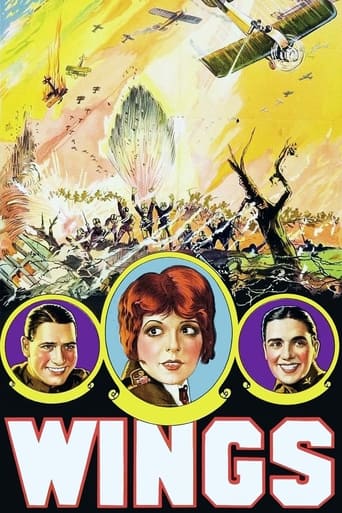
The first film to win the Academy Award for Best Picture earned that honor through its astonishing aerial combat sequences, filmed with real planes and real pilots over San Antonio. Director William Wellman, himself a wartime aviator, captured the terror and exhilaration of aerial dogfighting with an authenticity that CGI has never quite replicated.
Chang: A Drama of the Wilderness
1927 · Ernest B. Schoedsack, Merian C. Cooper
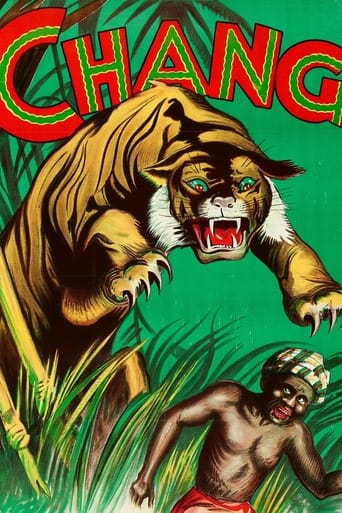
Merian C. Cooper and Ernest B. Schoedsack, the future creators of King Kong, traveled to the jungles of Siam to film this extraordinary documentary-drama about a family's struggle against wild animals. The elephant stampede finale, shot with real elephants, is one of the most genuinely dangerous sequences ever committed to film.

Noah's Ark
1928 · Michael Curtiz
Michael Curtiz's biblical epic is remembered both for its genuinely spectacular flood sequence and for the reckless disregard for extras' safety during filming, with several people seriously injured by the torrents of real water. It stands as a testament to an era when spectacle sometimes came at an unconscionable human cost.
Hell's Angels
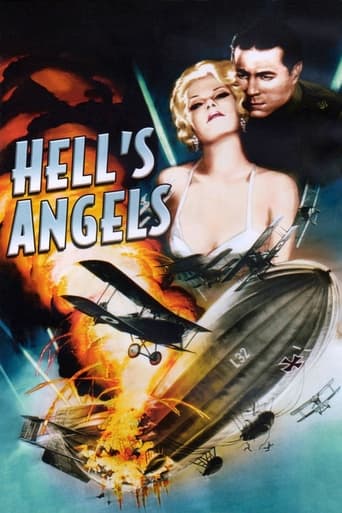
1930 · Howard Hughes
Howard Hughes' obsessive, wildly expensive World War I aviation epic took three years to make and nearly ruined him financially. He scrapped the completed silent version and reshot it with sound, replacing the lead actress with a young Jean Harlow. The aerial sequences, filmed with a fleet of vintage warplanes, cost three pilots their lives and remain among the most spectacular ever filmed.