Scandinavian Realism
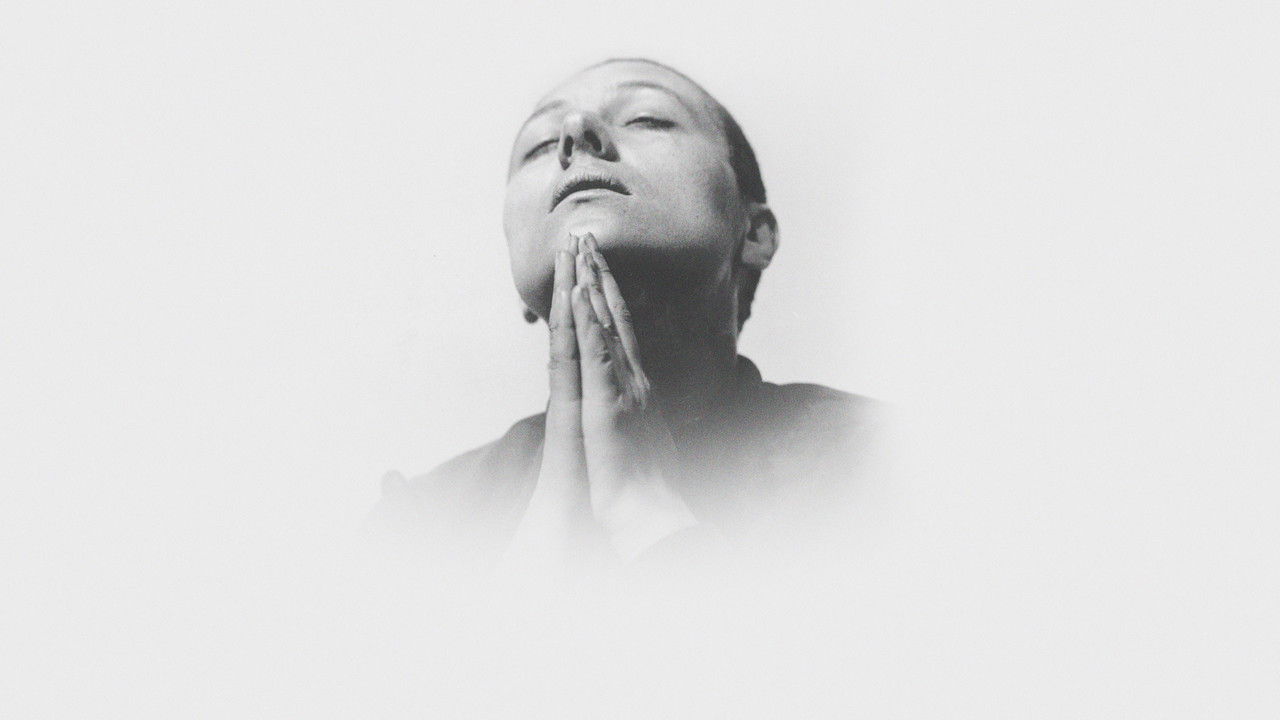
Sweden and Denmark spent the 1910s and early 1920s shooting outside, in real weather, with a moral seriousness borrowed from Ibsen and Lagerlöf. Sjöström put guilt on ice and in blizzards. Stiller could do a saga and a sex comedy in the same decade. Dreyer kept stripping the set until a face was enough. Watch the landscape do the acting: a frozen harbor in Sir Arne's Treasure, the Texas wind Sjöström later took to Hollywood. Garbo leaves in Gösta Berling. The Phantom Carriage's ghosts are double exposures, not makeup. Joan of Arc's best print turned up in 1981 in a closet at a Norwegian hospital.
19 films
From the Reading Room
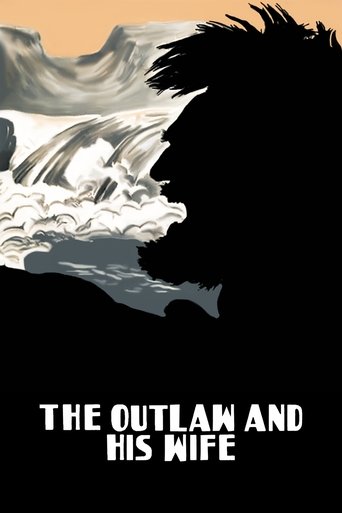
The Outlaw and His Wife
1918 · Victor Sjöström
The template. Sjöström shoots the north on real rock and real snow and lets the mountains close the story. Halla and Ejvind on the farm, then the highland, then the blizzard. By the last reel the weather is the only character still talking.
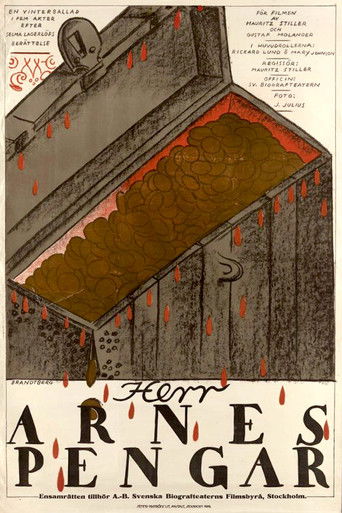
Sir Arne's Treasure
1919 · Mauritz Stiller
Stiller's saga: three Scottish mercenaries, a murdered household, and a frozen sea that will not let the ship leave. The procession across the ice is the image. Jaenzon was already doing double exposures here, a year before the Phantom Carriage.
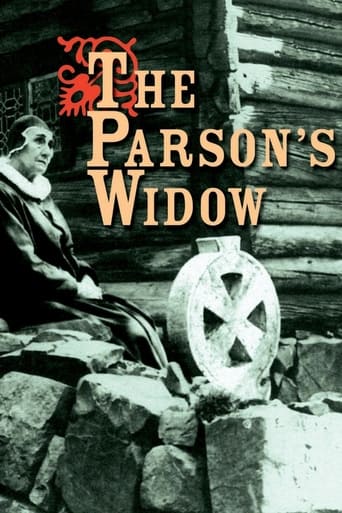
The Parson's Widow
1920 · Carl Theodor Dreyer
Dreyer, funny. A student wins the parish and has to marry the previous pastor's widow, and Hildur Carlberg, in her seventies, plays her without asking for anyone's pity. Farm rooms, a churchyard, real hay. The severity came later, and it was a choice.
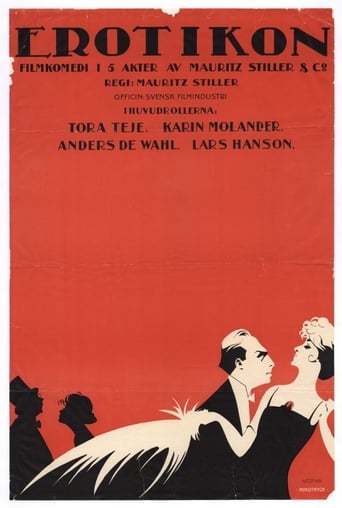
Erotikon
1920 · Mauritz Stiller
The same decade, the other Stiller: a sex comedy about a professor who studies beetles while his wife arranges her afternoons. The lecture on beetle mating is the film's best scene and its thesis. Lubitsch is said to have watched it, and The Marriage Circle suggests he took notes.

Leaves from Satan's Book
1920 · Carl Theodor Dreyer
Dreyer's Intolerance: four centuries, one Satan, a weak place in each. Skip to the Finnish episode, shot nearest the war it shows. You can watch him learn, story by story, that a face is enough.
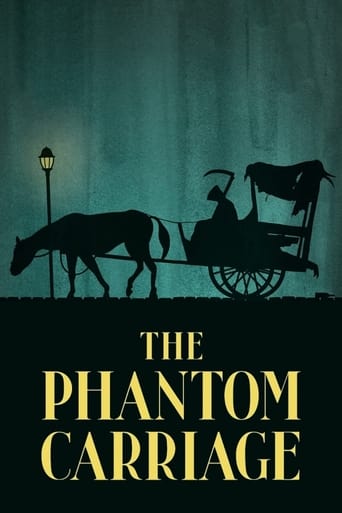
The Phantom Carriage
1921 · Victor Sjöström
Guilt on ice. Sjöström plays the drunk, Jaenzon lays the exposures, and the coachman walks through a wall to collect a man who is not ready. The axe through the door is the scene Kubrick borrowed. The wife on the other side of it is the film.
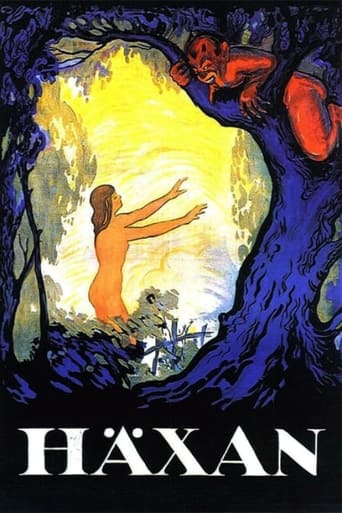
Häxan
1922 · Benjamin Christensen
Not a story, a lecture with demons in it. Christensen reads the Malleus Maleficarum, stages a Sabbath, then ends in a modern clinic and says the accused were patients. He plays the Devil himself. Sweden let it open in four cities on one day; Variety called it unfit for exhibition.
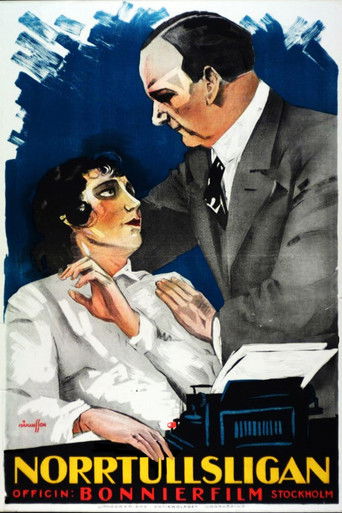
The Norrtull Gang
1923 · Per Lindberg
A labor picture that thinks it is a comedy. Four women clerks split rent and wages in Stockholm, and Lindberg keeps the camera in the kitchen and the typing pool. Tora Teje is the one to watch. The realism here is a pay envelope.
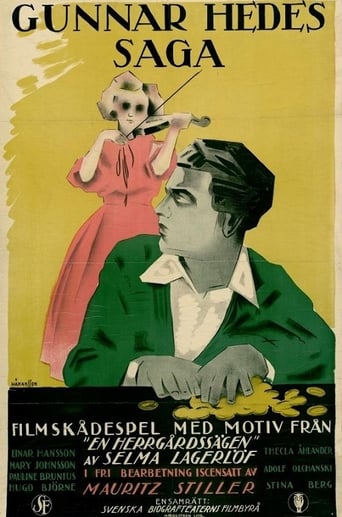
Gunnar Hede's Saga
1923 · Mauritz Stiller
A reindeer herd Stiller could not direct and did not need to, and a man who comes home from the stampede with his mind gone. Incomplete, and the missing footage is part of the experience. Watch Hanson in the snow: the landscape working on a body until it breaks.
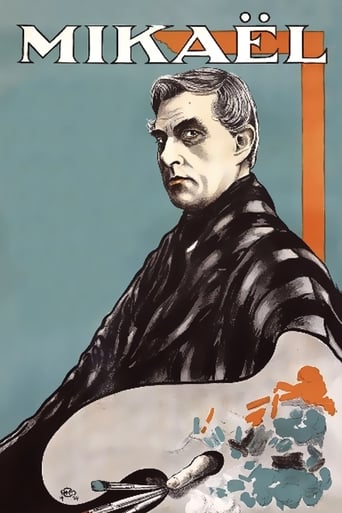
Michael
1924 · Carl Theodor Dreyer
Dreyer in Berlin with Freund on camera, and the household is the landscape. An old painter loses his model to a princess and keeps painting. Christensen, fresh from playing the Devil, plays the artist. The last title is not a twist. It is a man deciding what his life was.

The Saga of Gösta Berling
1924 · Mauritz Stiller
Stiller's Lagerlöf epic and Garbo's way out. Lars Hanson as the defrocked priest, manor houses in Värmland, and a sleigh chased by wolves across the ice as the set piece. Watch Garbo look at Hanson too long. Mayer saw the same thing.
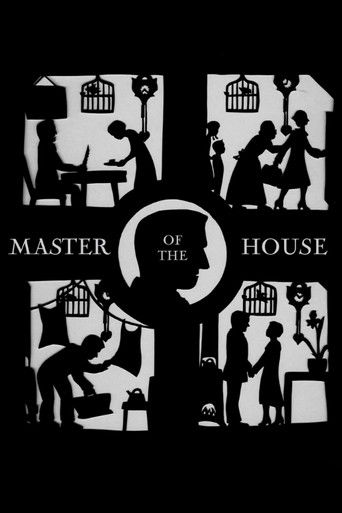
Master of the House
1925 · Carl Theodor Dreyer
Dreyer strips the set to a flat and puts a bully in an apron. The old nanny moves in and runs the house until he is fit to. Low doorways, small rooms, a camera that knows where the dishes are. No visions. A feminist argument made with a laundry basket.
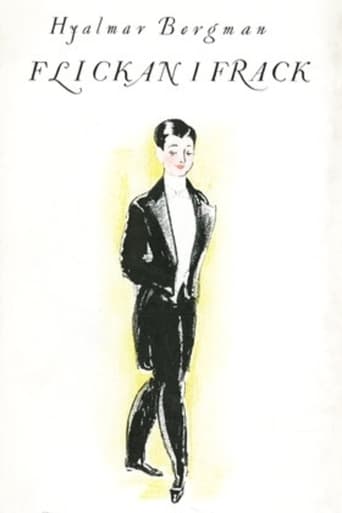
The Girl in Tails
1926 · Karin Swanström
A woman directing, a girl in her brother's tailcoat, and a town that has to decide what it saw. Swanström plays it as a comedy about permission. The suit gets the laughs. The gossip gets the last reel.
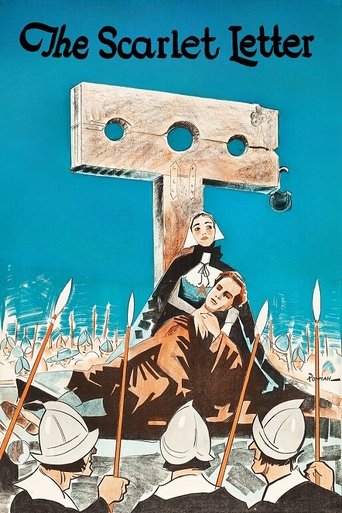
The Scarlet Letter
1927 · Victor Sjöström
The tradition crosses the water. Sjöström at MGM, Gish as Hester, Hanson as the minister who will not speak, and the Puritan town standing in for weather. Watch the scaffold scenes: a community as a climate you cannot get out of.
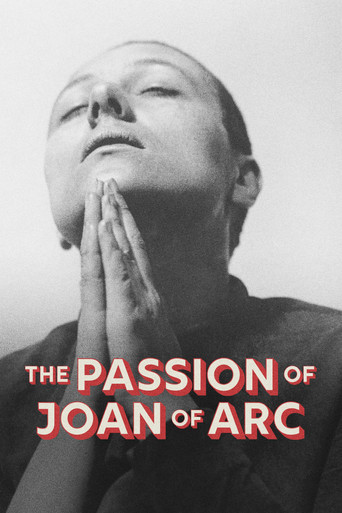
The Passion of Joan of Arc
1928 · Carl Theodor Dreyer
The set stripped until a face is enough. Dreyer builds a concrete castle and then barely shows it; Maté keeps the camera on Falconetti and the judges leaning in. No makeup. The print that survives was found in a hospital closet outside Oslo in 1981.
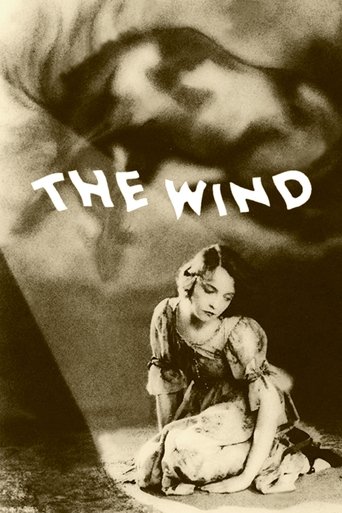
The Wind
1928 · Victor Sjöström
The Texas wind Sjöström took to Hollywood. Gish in a shack, sand under the door, propellers in the Mojave doing the acting the mountains used to do. She shoots a man and the ground will not keep him. The studio ending is not his, and you can tell where it starts.

Vampyr
1932 · Carl Theodor Dreyer
Dreyer with sound and almost no talk. Shot through gauze so the image looks half developed, and the shadows go where they like. The burial seen from inside the coffin, a glass window and sky, is the moment. Not Expressionism: a Dane with French money and a dream's logic.
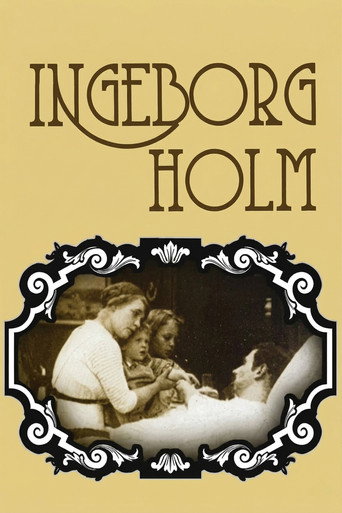
Ingeborg Holm
1913 · Victor Sjöström
The one that changed a law. A widow loses the shop, the children are boarded out, and the poorhouse takes the rest. Sjöström in 1913, already refusing to soften it. The scene where her son does not know her is the whole argument.
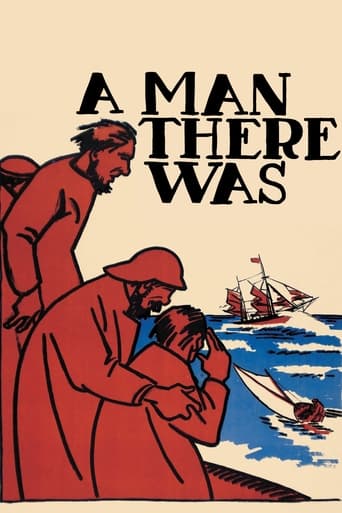
A Man There Was
1917 · Victor Sjöström
Ibsen's poem, and the sea as the lead. Terje rows to Denmark for food, comes home to a dead family, and years later has the officer's wife and child in the water in front of him. Sjöström shot on real water and let the choice take its time.