Japanese Early Cinema
Japanese silent cinema kept the benshi, a live narrator who spoke every role beside the screen. That is one reason sound arrived later here than in the West. The list runs from Murata's Souls on the Road, which the histories count as the first Japanese art film, to Mizoguchi in 1936. In between: Ozu's family humiliations, Kinugasa's asylum, Yamanaka's lazy swordsman. A Page of Madness has no intertitles. Kinugasa found a print in his storehouse in 1971; about a third is still missing. Yamanaka was dead in Manchuria at twenty-eight. Watch the rooms and the bows. The pacing is not a delay. It is the point.
12 films
From the Reading Room
Souls on the Road
1921 · Minoru Murata
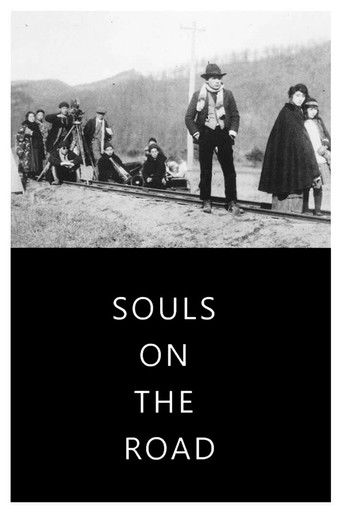
Two stories in the snow, cut against each other the way Griffith taught, and a father who will not open the door. Osanai had worked in Reinhardt's theatre, and it shows in the staging. The oldest Shochiku feature that survives. Watch the threshold scenes: who bows, who is let in.
Serpent
1925 · Buntarō Futagawa
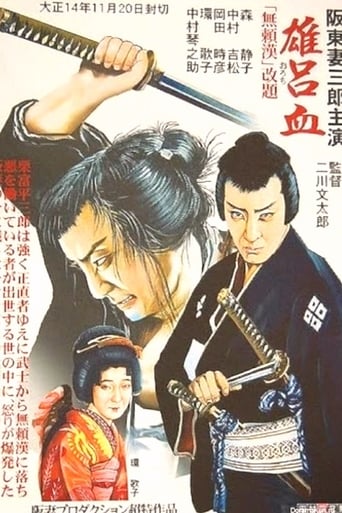
Bandō's body is the film. Kabuki makeup, then cutting faster than kabuki, and a last fight the censors let through after taking a fifth of the picture. The title card warns you that a villain's name can be slander. Then the sword makes the case.
A Page of Madness
1926 · Teinosuke Kinugasa
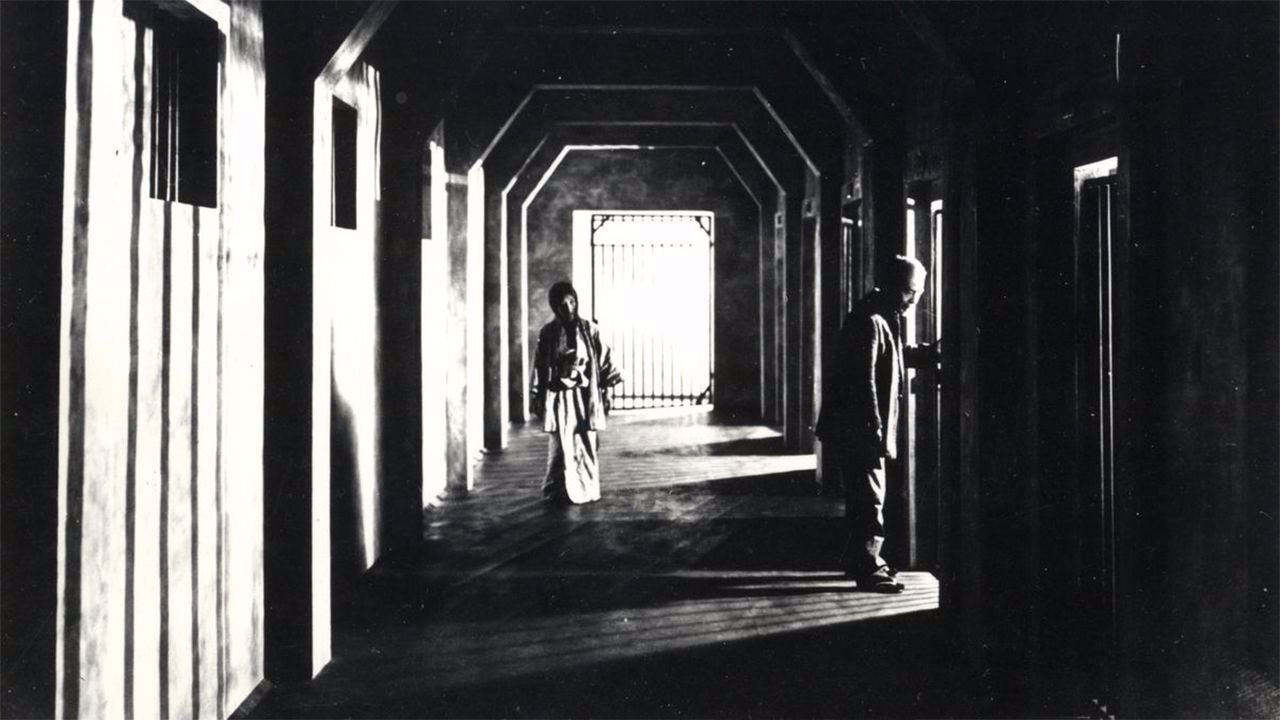
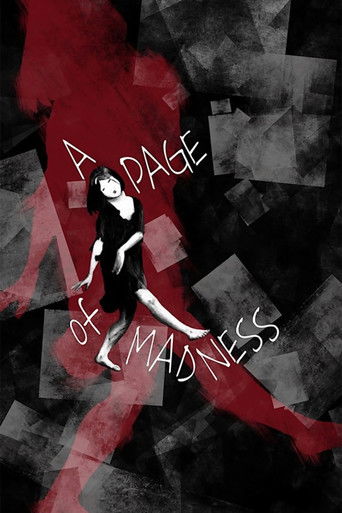
No titles, no benshi script, a janitor in an asylum watching his wife. Rapid cutting, dance, painted sets, and a third still missing. Kinugasa found the print in a rice barrel in 1971. The Noh masks near the end are the film's own idea of a happy ending.
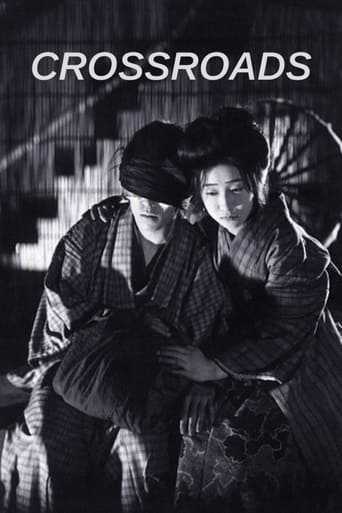
Crossroads
1928 · Teinosuke Kinugasa
Kinugasa carried a print to Europe and the West saw it as Shadows of Yoshiwara, decades before Rashomon. A blinded brother, a sister pulled toward the man who blinded him, and light used as a weapon. Watch what the lighting does to the sister's face. The Expressionism is imported; the rooms are not.
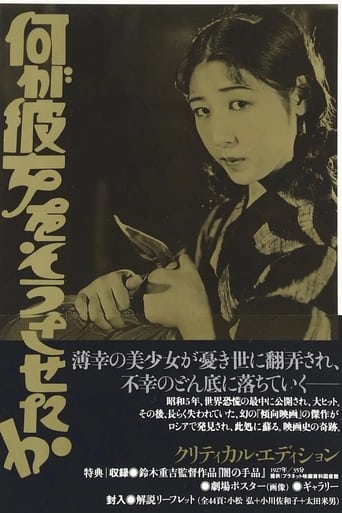
What Made Her Do It?
1930 · Shigeyoshi Suzuki
The top-grossing Japanese silent, with a crush reported in Asakusa. Sumiko passed from poorhouse to factory to kitchen to the street, and a fire for a last act. Thought lost, found in Moscow in 1994. The title asks a question. Every institution in the film is the answer.
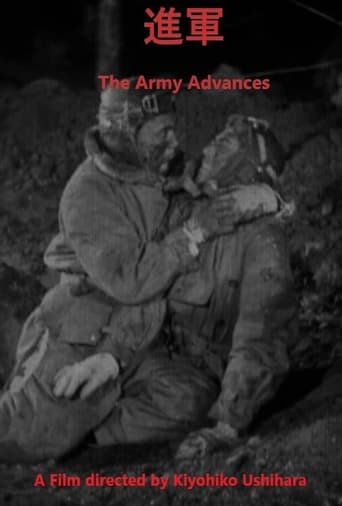
Marching On
1930 · Kiyohiko Ushihara
Shochiku's tenth-birthday picture, with the Imperial Army lending aircraft and tanks. A farmer's son who wants to fly, Kinuyo Tanaka, and a war with a country the titles will not name. The histories give it Japan's first aerial footage, cut with models. Ushihara had done his homework on Wings, and it shows.
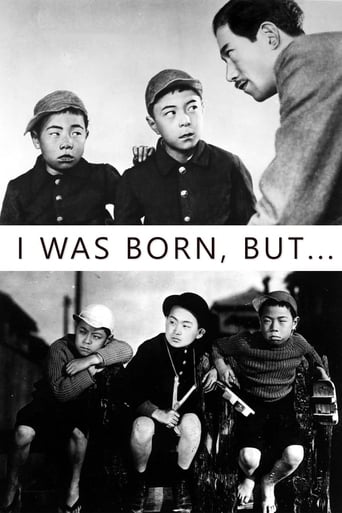
I Was Born, But...
1932 · Yasujirō Ozu
Two boys beat the bullies, then watch their father clown for his boss in a home movie and go on hunger strike. Ozu at thirty, already low to the floor. The screening is the scene: the sons in the dark, learning what a salary costs. Kido held the release two months because the gags turned into the office.
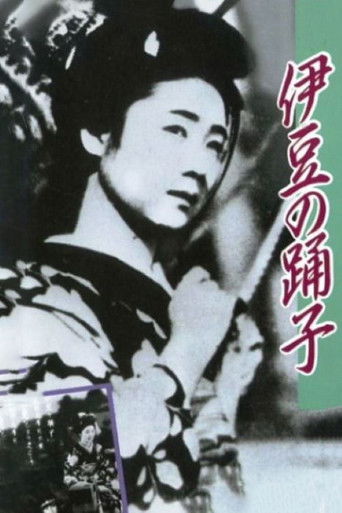
The Dancing Girl of Izu
1933 · Heinosuke Gosho
Kawabata's student on a walking trip falls in with a troupe and a girl he is not allowed to love. Gosho shoots roads, inns, and the moment the student chooses to walk with them instead of past them. Little happens. The pacing is the point, and the class line is drawn in the last bow.
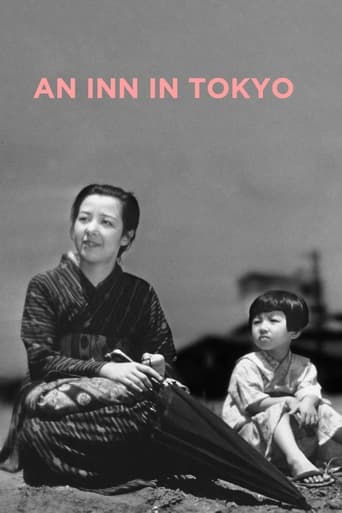
An Inn in Tokyo
1935 · Yasujirō Ozu
Ozu's last surviving silent: a father and two boys walking the industrial flats of Koto, catching stray dogs for coin. Mohara photographs the empty lots. He steals for a sick child and walks toward the police. No sentiment, no rescue, and the boys in the frame the whole time.

Tange Sazen and the Pot Worth a Million Ryo
1935 · Sadao Yamanaka
A jidaigeki played as a comedy about greed. The one-eyed, one-armed swordsman would rather nap than fight, and a cheap pot hides a map nobody can read. Yamanaka was dead in Manchuria three years later, at twenty-eight. Watch the archery-range scenes. That is the whole warmth of a man who left three films.
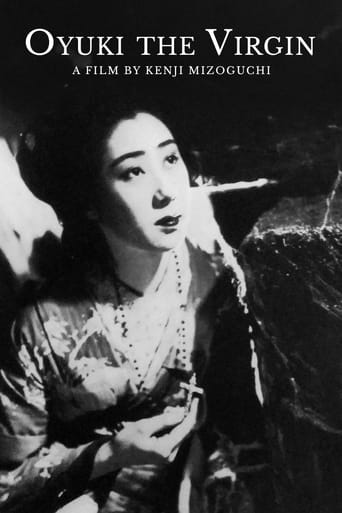
Oyuki the Virgin
1935 · Kenji Mizoguchi
Maupassant's Boule de Suif moved to the Boshin War. Two geishas in a coach of respectable people who use them and then sit in judgment. Mizoguchi is already on the side of the woman the frame keeps pushing to the edge. The coach is the room; the bows are the verdict.
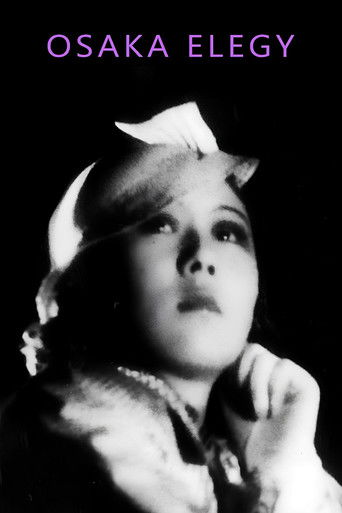
Osaka Elegy
1936 · Kenji Mizoguchi
Sound at last, and the office has a voice. Ayako becomes a rich man's mistress to cover her father's debt and is dropped by the family she saved. The last shot, Yamada walking toward the camera on the bridge, is Mizoguchi's late style arriving in one take. Watch the rooms she is asked to wait in.