Kino-polis
BrowseCollectionsReading RoomAbout
Kino-polis

A personal screening room for early cinema.

Explore

  • Browse
  • Collections
  • Reading Room
  • About

Connect

  • RSS
  • Contact

© 2026 Kino-polis

From · Spotlight: Anna May Wong

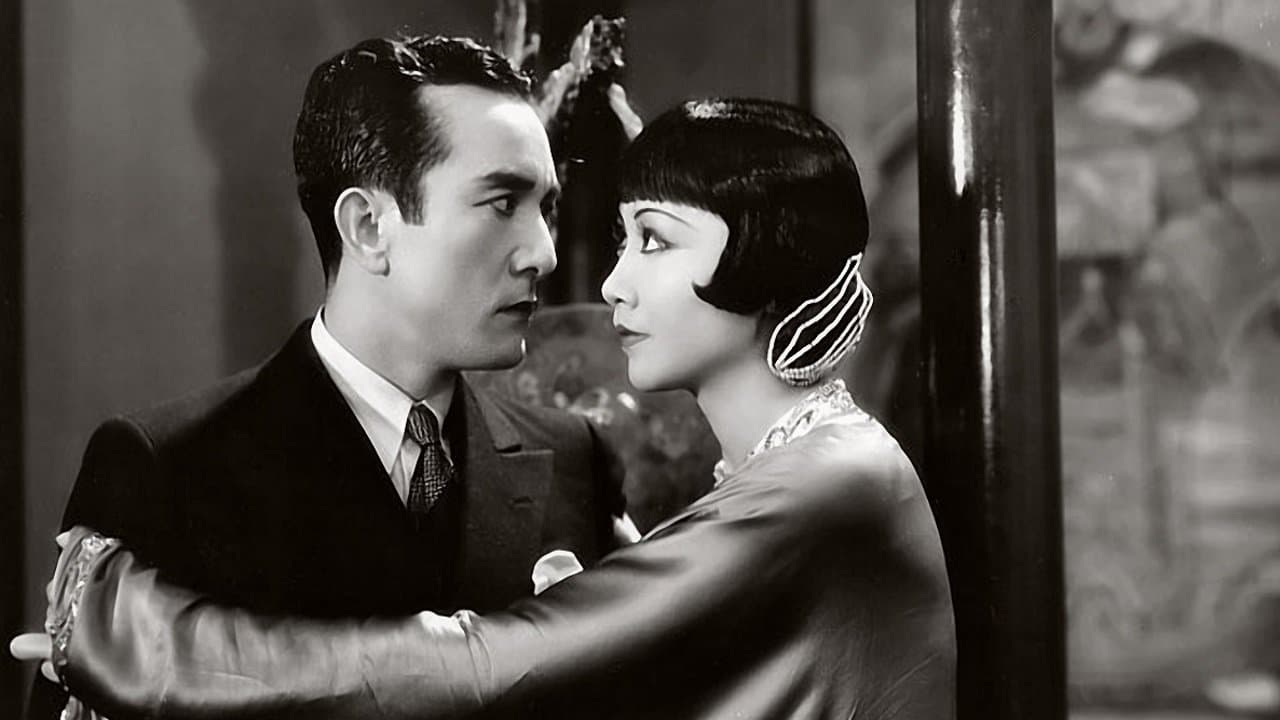
Daughter of the Dragon

1931 · Directed by Lloyd Corrigan

Anna May Wong and Sessue Hayakawa — two of Hollywood's most talented and most constrained Asian actors — share the screen in this Fu Manchu sequel, and their combined star power almost transcends the lurid material. Wong plays Princess Ling Moy, daughter of the villainous Fu Manchu, tasked with carrying out her father's vendetta against a British family. The role is exactly the kind of dragon-lady stereotype Wong spent her career fighting against, and the film's Orientalist trappings are deeply retrograde. But Wong and Hayakawa invest their performances with such intelligence and charisma that you can see the better film struggling to get out. An essential viewing not for its dated politics, but for watching two extraordinary performers refuse to be diminished by their material.

Watch Now

From · Spotlight: Lillian Gish

The Birth of a Nation

1915 · Directed by D.W. Griffith

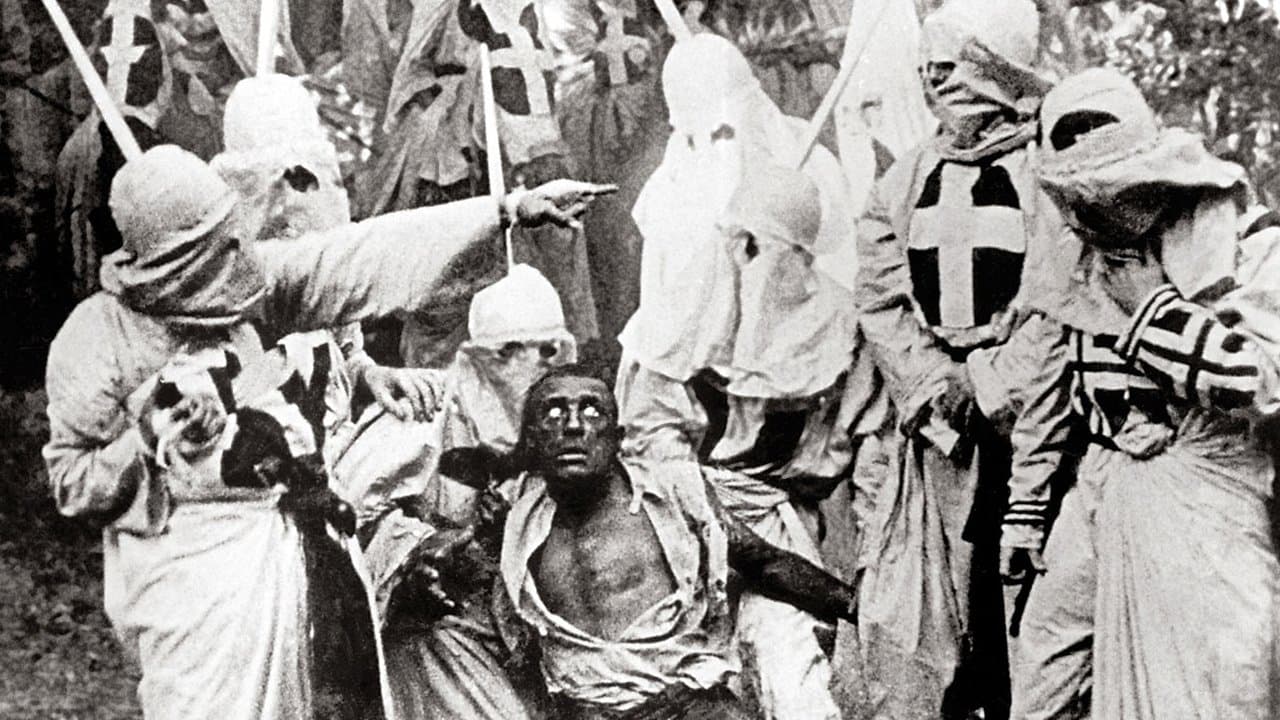
Two families, abolitionist Northerners the Stonemans and Southern landowners the Camerons, intertwine. When Confederate colonel Ben Cameron is captured in battle, nurse Elsie Stoneman petitions for his pardon. In Reconstruction-era South Carolina, Cameron founds the Ku Klux Klan, battling Elsie's congressman father and his African-American protégé, Silas Lynch.

Watch Now

From · Pioneers: Buster Keaton

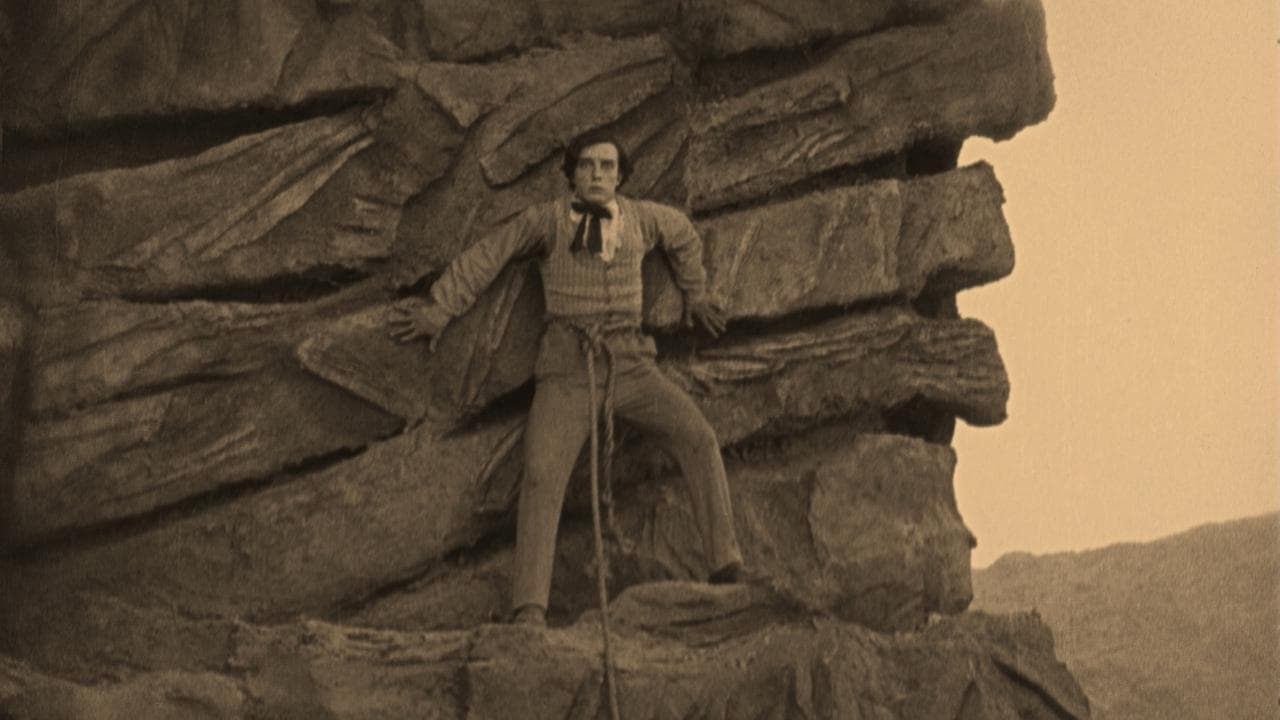
Our Hospitality

1923 · Directed by Buster Keaton, John G. Blystone

A young man falls for a young woman on his trip home; unbeknownst to him, her family has vowed to kill every member of his family.

Watch Now
02

Film of the Day

Released 101 years ago today

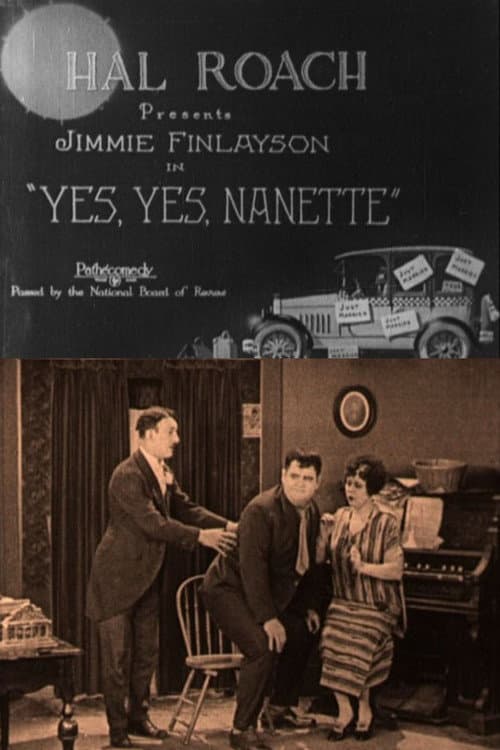
Yes, Yes, Nanette

1925 · Clarence Hennecke, Stan Laurel

Nanette sends a letter to her family telling of her new husband, Hillory. When Hillory arrives to meet the family, he gets insulted by each member, including the dog, and loses his wig. After having dinner with the family, Nanette's former lover returns, and…
Watch nowFilm details
Yes, Yes, Nanette
03

Curated Collections

View all

20 films

Silent 101

The silent era spans roughly three decades — from the Lumière brothers' first public screening in 1895 to the arrival of synchronized sound in the late 1920s — and contains some of the most inventive, visually stunning, and emotionally powerful filmmaking ever produced. These twenty films offer an introduction to the period's essential works and movements: the trick films that first revealed cinema's capacity for magic, the rise of narrative storytelling, the explosive creativity of German Expressionism and Soviet montage, the golden age of screen comedy, and the artistic peaks that still define what the medium can achieve. If you're new to silent film, start anywhere — every one of these will change your understanding of what early cinema was.

Explore collection

19 films

Soviet Montage

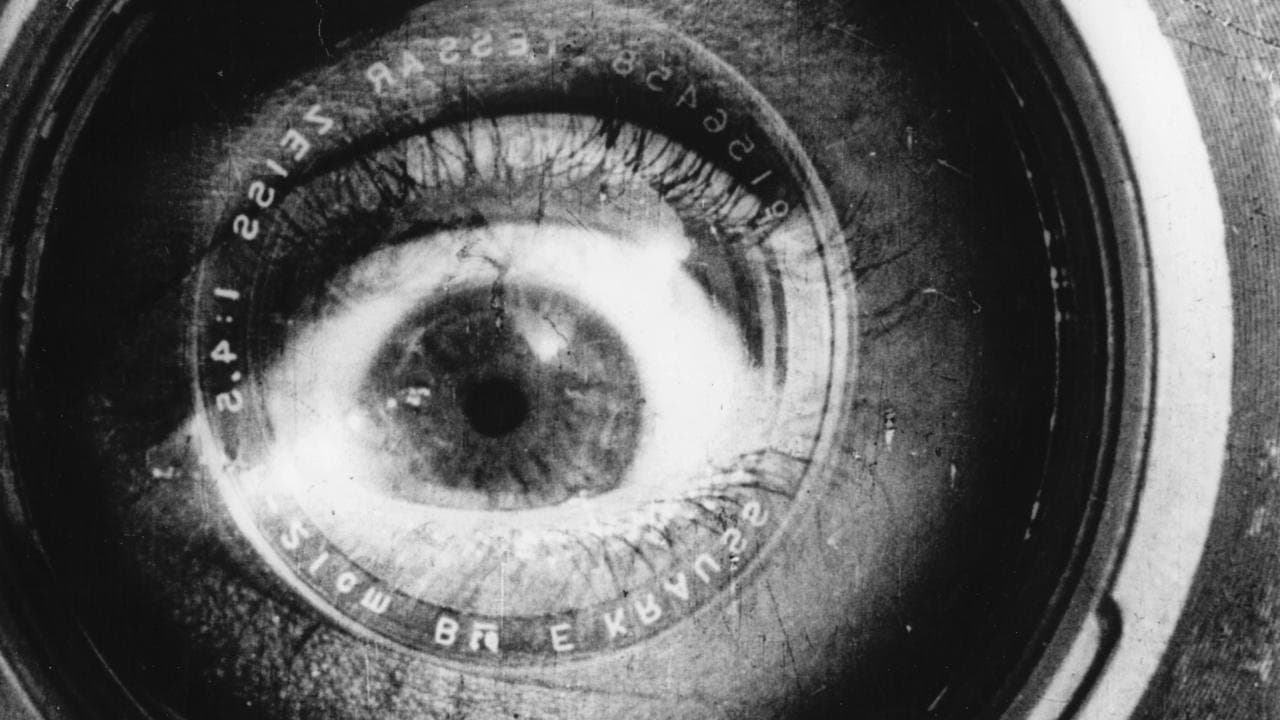
Soviet montage was born from a paradox: a country that could barely keep its projectors running produced the most radical rethinking of film form the medium has ever seen. In the years after the 1917 Revolution, a generation of filmmakers working with almost no resources — scavenged film stock, improvised equipment, unheated studios — took apart the basic unit of cinema, the edit, and rebuilt it as an instrument of thought. Their argument was simple and enormous: meaning in film does not live inside the shot. It lives in the collision between shots. The theorists disagreed with each other constantly, and those disagreements are the engine of the movement. Eisenstein believed in montage as intellectual shock — the juxtaposition of unrelated images to force the viewer into new understanding. Pudovkin believed in montage as emotional construction — linking images to build feeling the way a novelist builds a sentence. Vertov rejected fiction altogether and argued that the camera's purpose was to capture life and reorganize it into patterns invisible to the naked eye. Dovzhenko ignored all three and made films that felt like poems, lyric and earthy and impossible to theorize. Kuleshov, the teacher who started it all, had proven with a single experiment that the same actor's face, juxtaposed with different images, appeared to express completely different emotions — meaning the audience, not the performer, created the feeling. This collection traces the movement from its first experiments in the early 1920s through its extraordinary peak in the late twenties, when Soviet cinema was producing masterworks at a rate that has never been matched, to the moment when the state's demand for ideological clarity made the movement's formal ambitions untenable. Start with Eisenstein if you want to be overwhelmed. Start with Barnet if you want to be surprised. Start with Vertov if you want to see what cinema looks like when it refuses to tell stories at all.

Explore collection

9 films

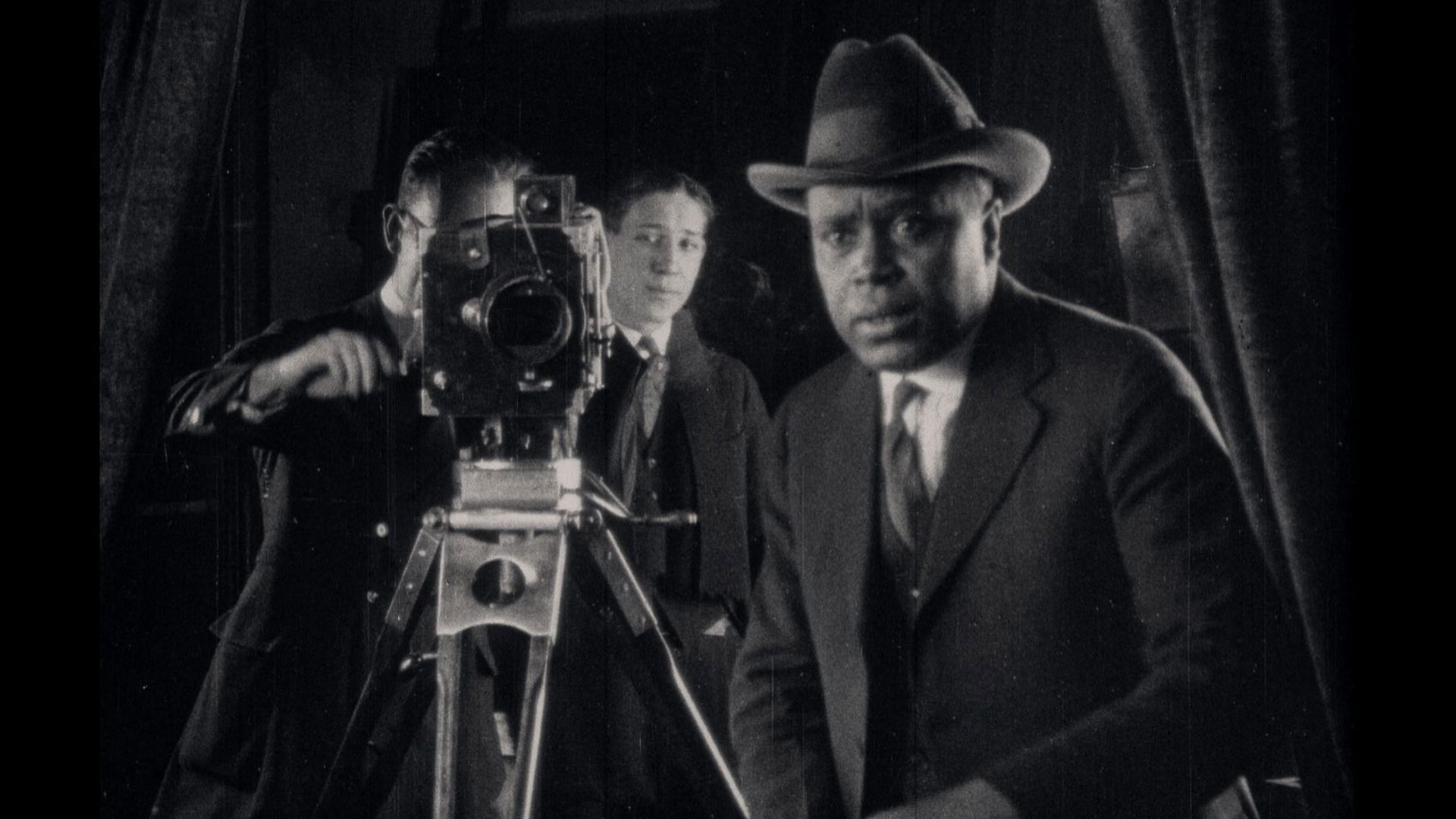
Pioneers: Oscar Micheaux

Oscar Micheaux was the most prolific Black filmmaker in American history, and one of the most remarkable self-inventors the film industry has ever produced. The son of former slaves, he worked as a Pullman porter, homesteaded 500 acres in South Dakota, and published a series of semi-autobiographical novels before turning to filmmaking in 1919 because Hollywood wouldn’t make his stories, so he made them himself. Over the next three decades he wrote, produced, directed, and personally distributed more than forty films to the segregated theaters of the “race circuit,” becoming the only Black filmmaker to survive the transition from silents to sound. His films were made under conditions of radical constraint - underfunded, shot fast, technically rough and they addressed subjects Hollywood refused to touch: lynching, racial passing, intermarriage, the violence of white supremacy, and the full complexity of Black American life at a time when the dominant cinema offered only caricature and contempt. Two-thirds of his work is lost. What survives is essential.

Explore collection
04

Recently Added

View all
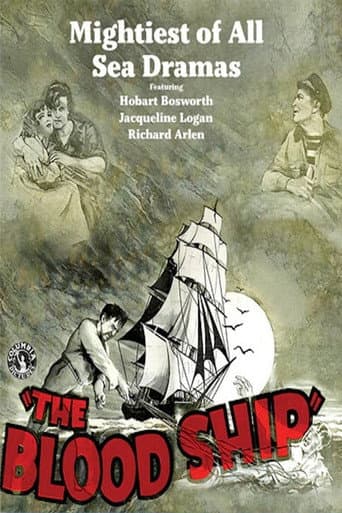
The Blood Ship

The Blood Ship

1927

Directed by George B. Seitz

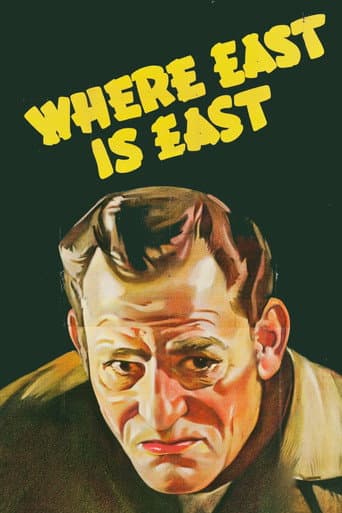
Where East Is East

Where East Is East

1929

Directed by Tod Browning

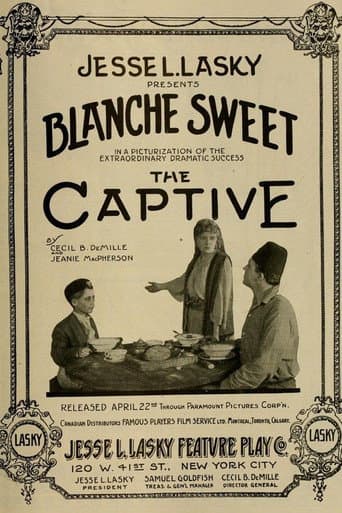
The Captive

The Captive

1915

Directed by Cecil B. DeMille

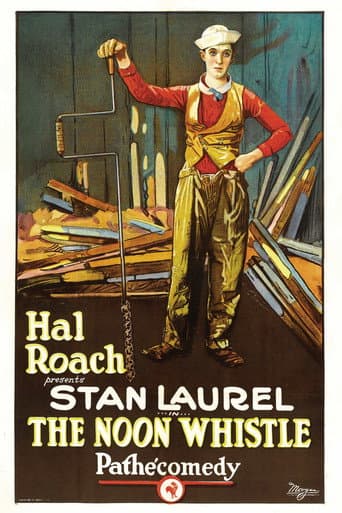
The Noon Whistle

The Noon Whistle

1923

Directed by George Jeske

Return to Reason

Return to Reason

1923

Directed by Man Ray

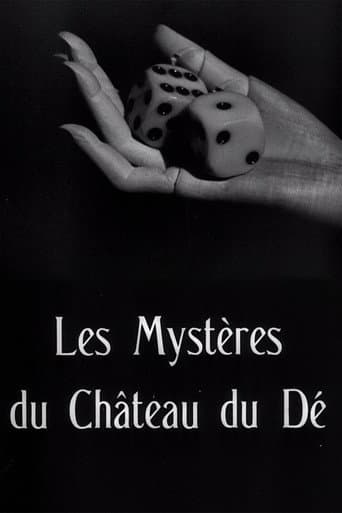
The Mysteries of the Chateau of Dice

The Mysteries of the Chateau of Dice

1929

Directed by Man Ray, Jacques-André Boiffard

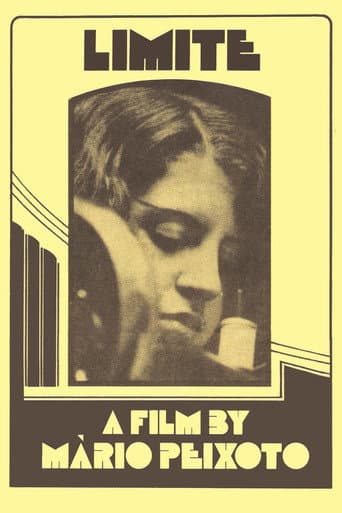
Limite

Limite

1931

Directed by Mário Peixoto

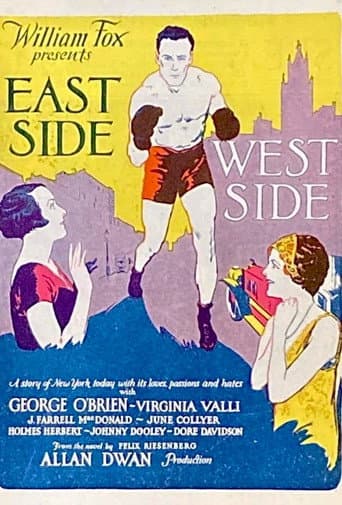
East Side, West Side

East Side, West Side

1927

Directed by Allan Dwan

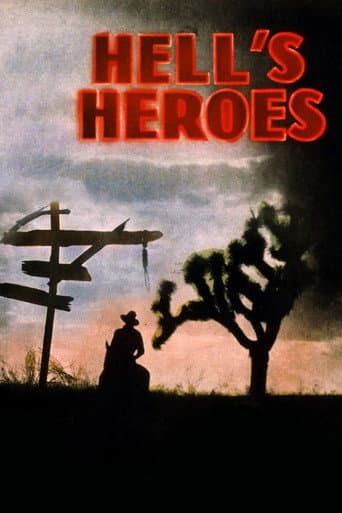
Hell's Heroes

Hell's Heroes

1929

Directed by William Wyler

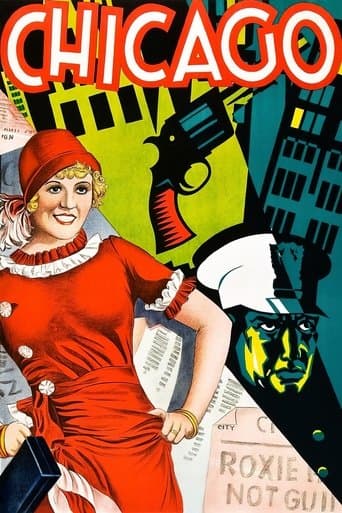
Chicago

Chicago

1927

Directed by Frank Urson

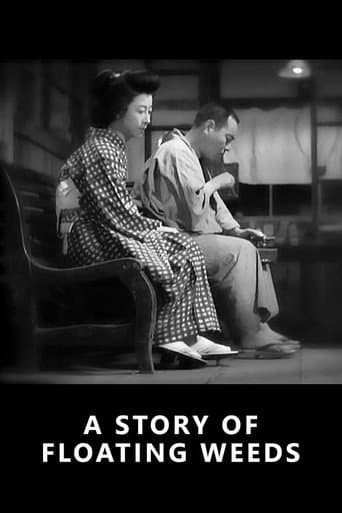
A Story of Floating Weeds

A Story of Floating Weeds

1934

Directed by Yasujirō Ozu

The Trail of '98

The Trail of '98

1928

Directed by Clarence Brown