First Steps
Before there were genres, stars, or studios, there was simply the astonishment of moving pictures. This collection traces cinema's earliest steps, from the Lumière brothers' first public screening in 1895 through the pioneering innovations of the following fifteen years. Each film here represents a genuine milestone: the first comedy, the first horror film, the first animation, the first narrative editing, the first science fiction. What's remarkable is how quickly the medium evolved. In barely a decade and a half, cinema went from recording a train pulling into a station to constructing elaborate fantasy worlds and mounting social arguments through the power of editing. These are the films where it all began.
17 films
Workers Leaving the Lumière Factory
1895 · Louis Lumière
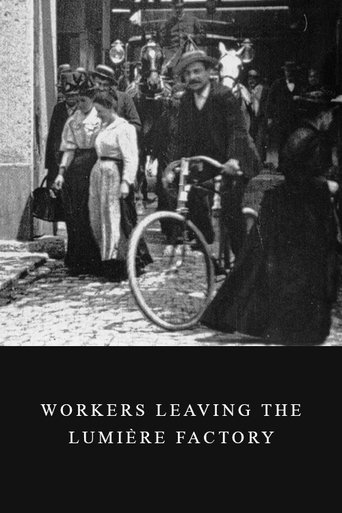
The film that started it all. On December 28, 1895, the Lumière brothers screened this 46-second actuality to a paying audience at the Grand Café in Paris. It simply shows workers filing out of a factory gate, but that simplicity is the point. For the first time, audiences watched real life unfold on a screen, and nothing was ever quite the same.

Le manoir du diable
1896 · Georges Méliès
Often cited as the first horror film ever made, Méliès' two-minute trick film features a bat transforming into the devil, conjuring ghosts and skeletons in a medieval castle. It's pure theatrical magic translated to the screen, and it established Méliès' signature approach: cinema as a stage for the impossible.
The Arrival of a Train at La Ciotat
1896 · Auguste Lumière, Louis Lumière
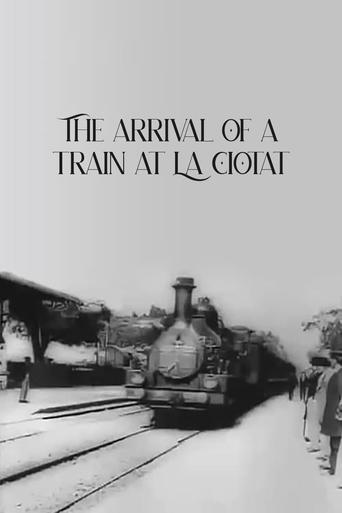
The Lumières' most legendary film, and possibly the most famous single shot in cinema history. A train pulls into a station, growing larger until it seems ready to burst through the screen. Whether or not audiences actually fled in terror is debated, but the film's visceral impact on viewers encountering the medium for the first time was undeniable.

The Sprinkler Sprinkled
1896 · Louis Lumière
A boy steps on a garden hose, the gardener peers into the nozzle, the boy releases his foot, and the gardener gets soaked. It's the world's oldest joke filmed as the world's first comedy. This tiny gag film is historically significant because it proved cinema could do more than document reality; it could stage fiction, set up a punchline, and make people laugh.
The Cabbage-Patch Fairy
1896 · Alice Guy-Blaché
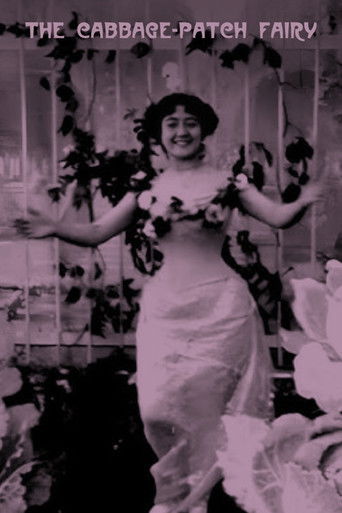
Alice Guy-Blaché's earliest surviving work, and one of the first fiction films ever made by anyone. A fairy conjures babies from cabbages in a garden. Guy-Blaché was the first woman to direct a film and one of the first people to understand that cinema could tell stories, not just record events.
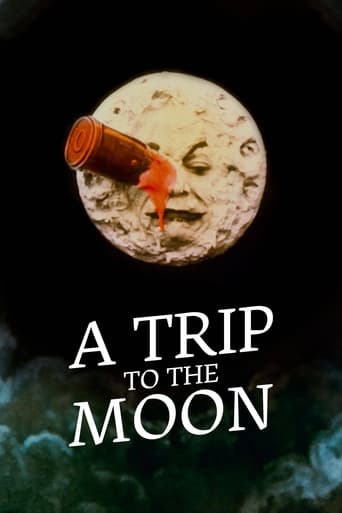
A Trip to the Moon
1902 · Georges Méliès
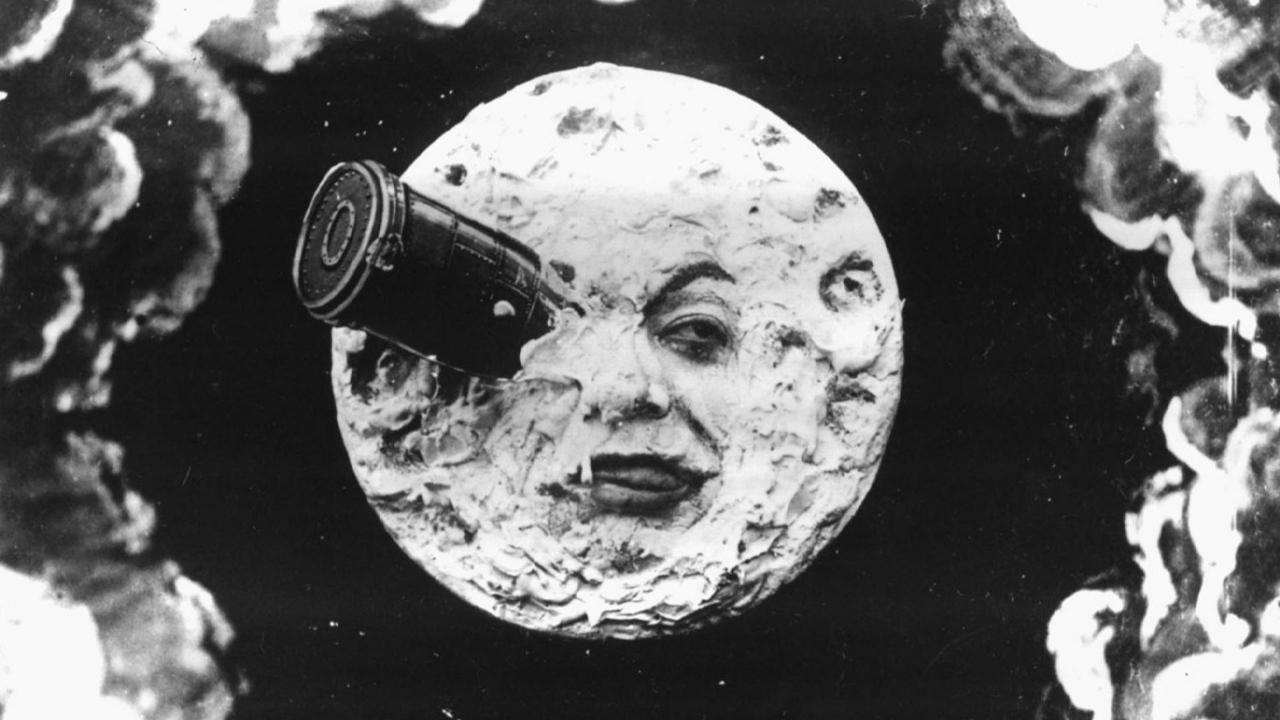
Méliès' masterpiece, and the film that essentially invented science fiction cinema, special effects filmmaking, and narrative storytelling on screen all at once. The image of the rocket lodged in the Man in the Moon's eye is the first truly iconic shot in film history. At fourteen minutes, it demonstrated that cinema could sustain a complete story with a beginning, middle, and end.
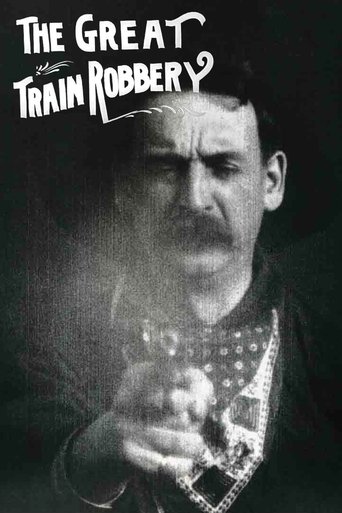
The Great Train Robbery
1903 · Edwin S. Porter
Edwin S. Porter's landmark film is usually credited as the first to use editing as a genuine narrative tool, cutting between simultaneous actions in different locations to build suspense. It's also the first Western, the first action film, and the first movie with a genuinely shocking ending. The final shot of a bandit firing directly at the camera still startles.
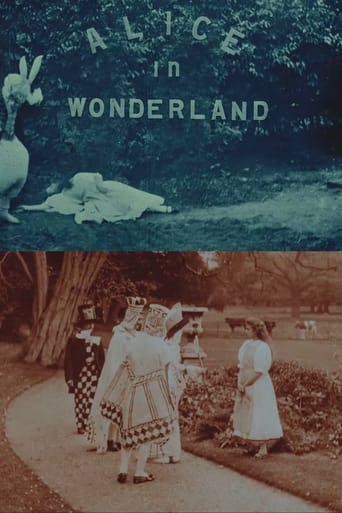
Alice in Wonderland
1903 · Cecil M. Hepworth, Percy Stow
Cecil Hepworth and Percy Stow's British adaptation of Lewis Carroll is the earliest surviving film version of a major literary work. At eight minutes, it's remarkably ambitious for its time, using dissolves, superimpositions, and practical effects to bring Wonderland to life. It proved that cinema could adapt existing stories, not just invent new ones.
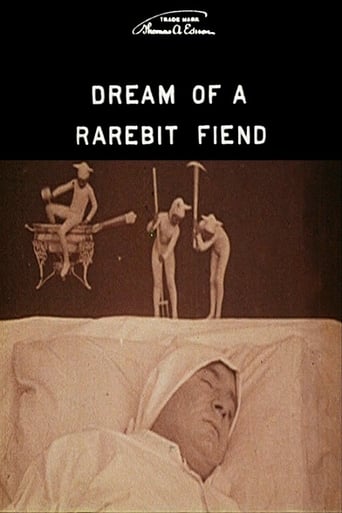
Dream of a Rarebit Fiend
1906 · Edwin S. Porter, Wallace McCutcheon Sr.
Edwin S. Porter's adaptation of Winsor McCay's comic strip is a technical tour de force of in-camera effects. A man's cheese-fueled nightmare sends his bed flying over the city in a sequence of dizzying superimpositions and trick photography. It demonstrated that cinema could visualize subjective psychological experience, not just external reality.
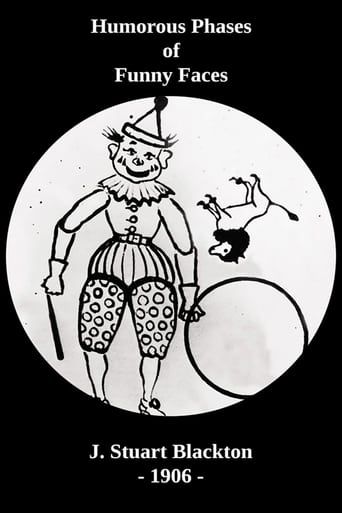
Humorous Phases of Funny Faces
1906 · J. Stuart Blackton
J. Stuart Blackton's film is generally considered the first true animated film, using stop-motion chalk drawings to create the illusion of faces drawing themselves on a blackboard. It's crude by any later standard, but the fundamental principle, creating movement frame by frame from static images, launched an entire art form.
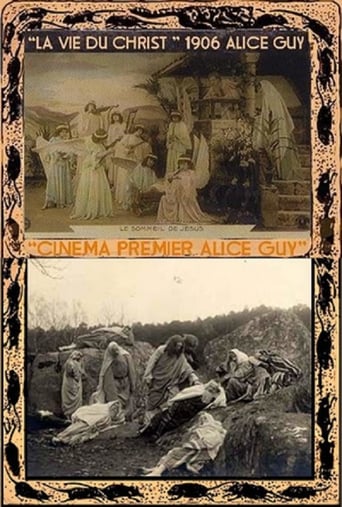
The Life of Christ
1906 · Alice Guy-Blaché
Alice Guy-Blaché's most ambitious early production, running nearly half an hour and employing elaborate sets, costumes, and large casts of extras. It demonstrated that a woman filmmaker could command resources and scale equal to any of her male contemporaries, and it pushed the boundaries of what a single film could contain.
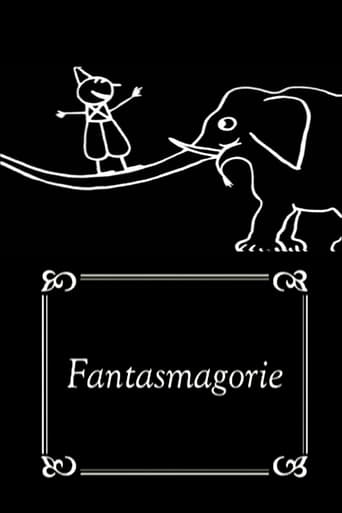
Fantasmagorie
1908 · Émile Cohl
Émile Cohl's two-minute marvel is widely considered the first fully drawn animated film. A stick figure morphs through a stream-of-consciousness series of transformations, objects dissolving into other objects with dreamlike fluidity. Where Blackton animated chalk on a blackboard, Cohl created a self-contained animated world, establishing the template for the cartoon as we know it.

A Visit to the Seaside
1908 · George Albert Smith
The first successful motion picture in natural color, filmed with Kinemacolor. It is an 8 minute short film directed by George Albert Smith of Brighton, showing people doing everyday activities. It is ranked of high historical importance. Kinemacolor later influenced and replaced by Technicolor, which was used from 1916 to 1952.

A Corner in Wheat
1909 · D.W. Griffith
Griffith's fourteen-minute film about a wheat speculator who corners the market while the poor go hungry is a landmark in using editing for social argument. By intercutting between the speculator's lavish banquet and bread lines of starving families, Griffith demonstrated that montage could create meaning, juxtaposition, and moral force. It's the birth of political cinema.
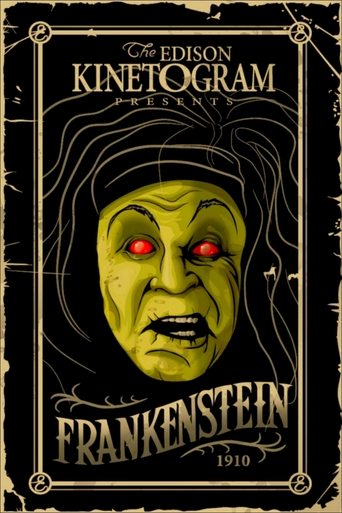
Frankenstein
1910 · J. Searle Dawley
The Edison Company's adaptation of Mary Shelley's novel is the first film version of one of literature's most enduring stories. The creation scene, in which the monster forms from a burning skeleton, was achieved by filming a dummy burning and then running the footage in reverse. It's a reminder that filmmakers were finding ingenious solutions to impossible problems from the very beginning.
Dante's Inferno
1911 · Giuseppe de Liguoro, Francesco Bertolini, Adolfo Padovan
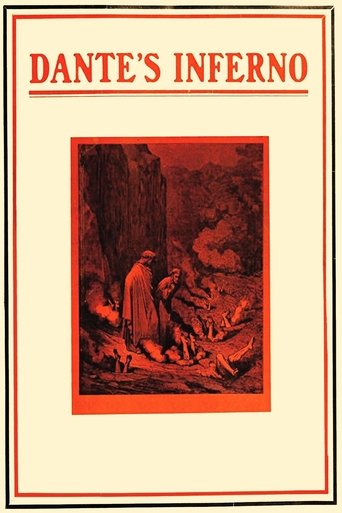
The Italian film industry's early years produced some of the most spectacular and ambitious productions in world cinema. This hour-long adaptation of Dante's Divine Comedy features elaborate sets, hundreds of extras, and strikingly composed tableaux of the circles of Hell. It proved that cinema could tackle the grandest literary subjects and hold an audience for feature length.
The Lonedale Operator
1911 · D.W. Griffith
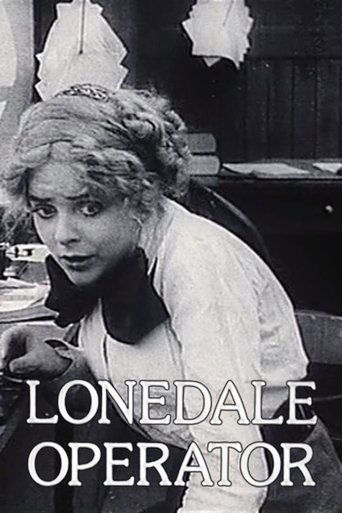
Griffith's film about a telegraph operator who single-handedly holds off bandits until a rescue train arrives is a masterclass in building suspense through editing. The accelerating cross-cuts between the besieged operator, the approaching bandits, and the speeding rescue train established the last-minute-rescue pattern that would become one of cinema's most enduring narrative structures.