Loading
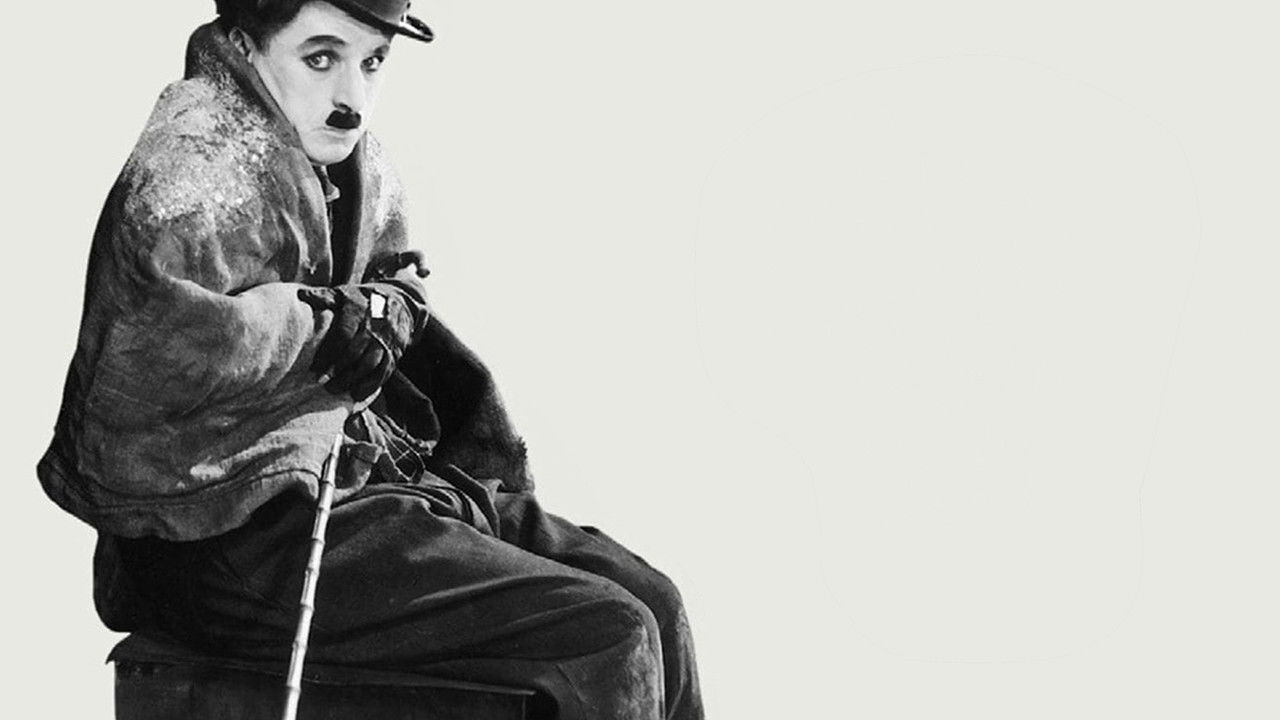
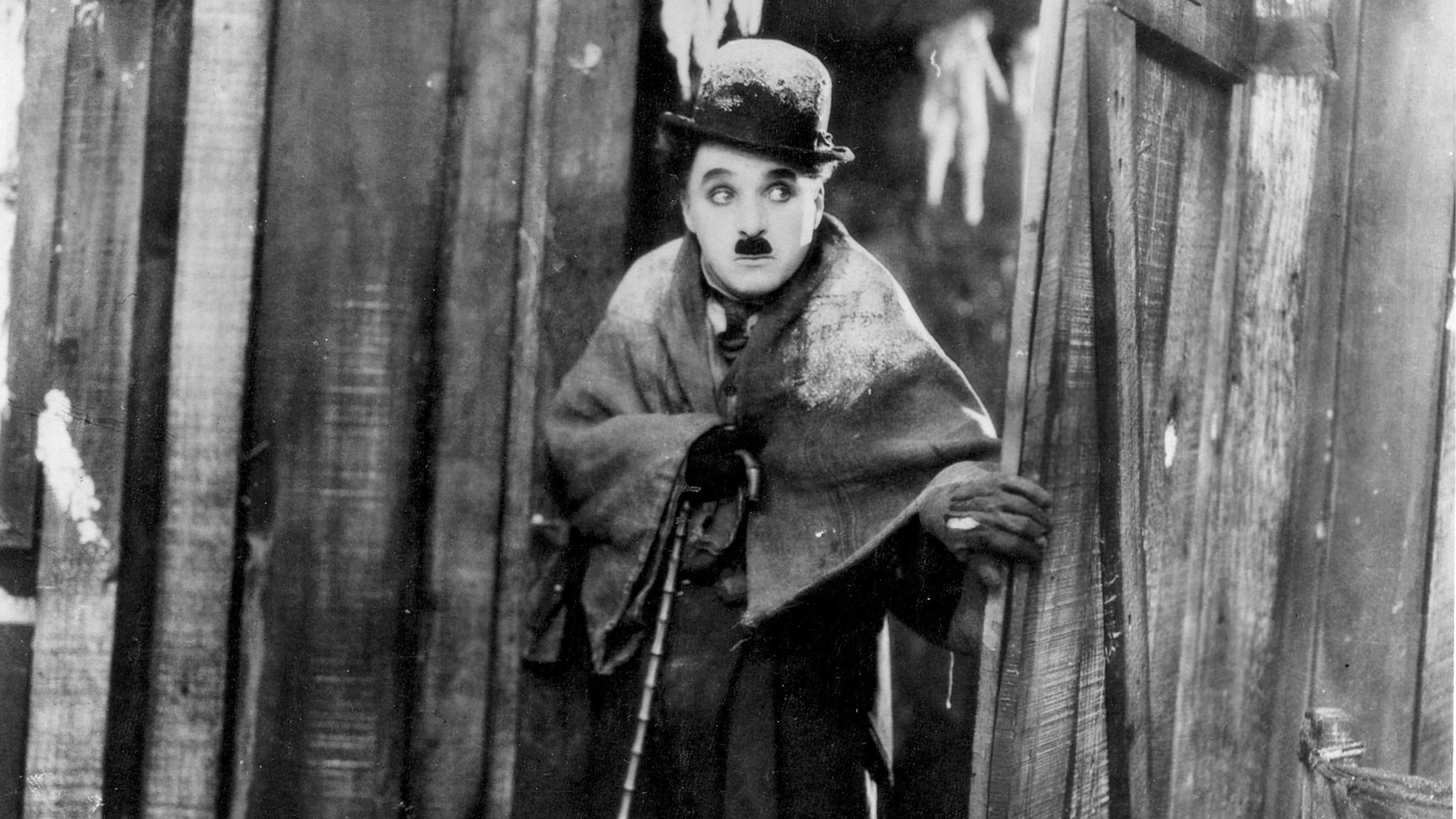
Chaplin, United Artists, 1925. The Tramp, a lone prospector in the Klondike, shares a cabin with Big Jim (Mack Swain) and waits on Georgia (Georgia Hale) at a dance hall. Chaplin shot exteriors near Truckee in snow, then rebuilt the storm on the Hollywood lot. The boiled boot, the dinner-roll dance, and the cabin on the cliff edge were all worked out as mechanical problems: a shoe of licorice, rolls on forks, a set on rockers. He later called it the film he wanted to be remembered by. A sound reissue in 1942 replaced the titles with his narration.
In three programmes
The camera is a dinner table. The boiled boot and the roll dance are mechanical problems solved with licorice and forks, and both are about a man performing for someone who is not there. The cabin tipping on the cliff is the other Chaplin: a set on rockers and real vertigo.
The boot, the rolls, the cabin on the cliff: three mechanical problems solved for laughs. Licorice, forks, a set on rockers. The roll dance is performed for someone who did not come. Chaplin wanted this to be the one remembered, and the boot is why.
The one he wanted remembered. The boot, the rolls, the cabin on rockers, and a cabin-mate who turns into a chicken. The dinner rolls are a minute. The hunger underneath is the film. Watch the last shot in the 1925 cut. For once, a face instead of a road.
Cast & crew
Further reading
- EssayMovies Silently Review ★★★★ (opens in a new tab)
- EssayThe Gold Rush (opens in a new tab)
- EssayThe Gold Rush - San Francisco Silent Film Festival (opens in a new tab)
- EssayThe Gold Rush - As Good as Gold — The Criterion Collection (opens in a new tab)
- EssayFilm essay for The Gold Rush — Library of Congress National Film Preservation Board (opens in a new tab)
Also streaming
Loading films