Loading

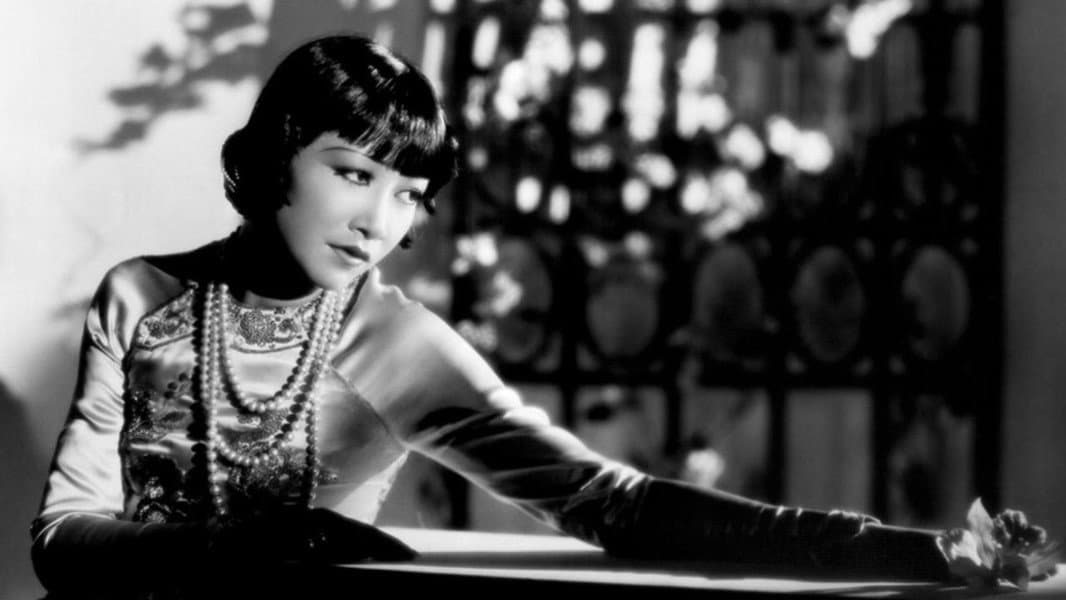
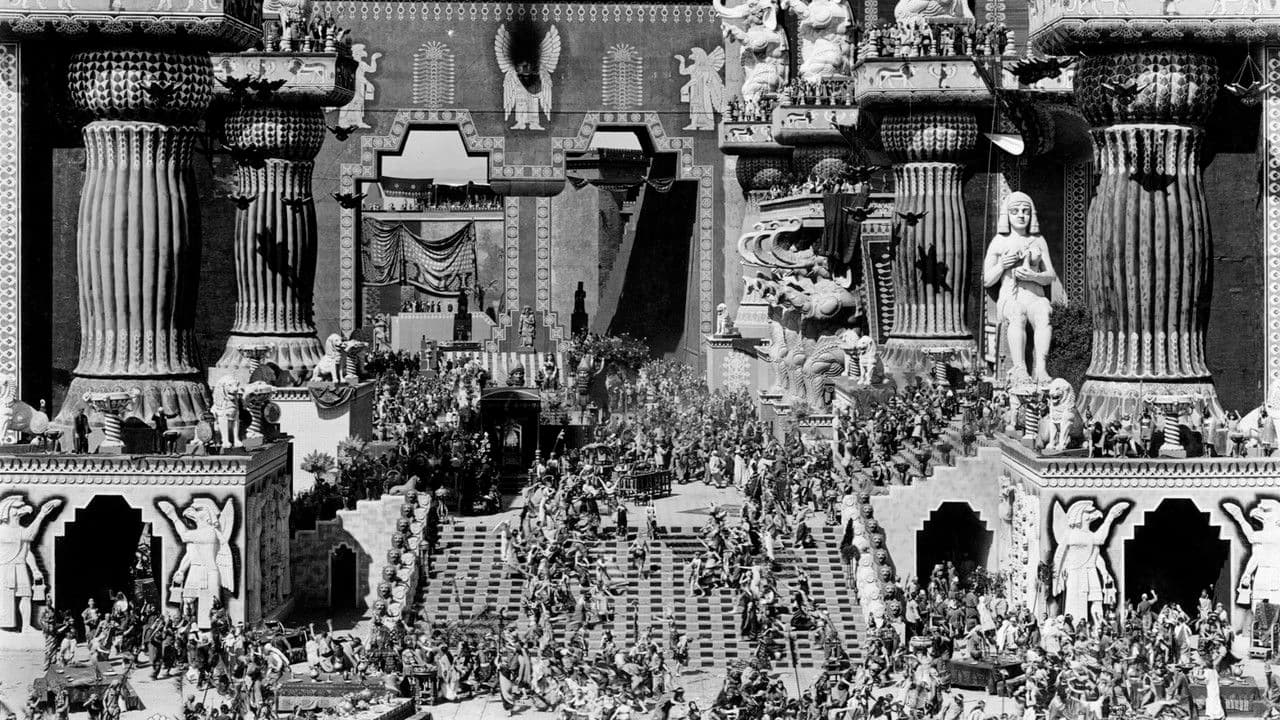
Raoul Walsh, United Artists, 1924. Douglas Fairbanks as Ahmed, a thief who scales walls to reach a princess (Julanne Johnston) and then must bring the rarest treasure; Anna May Wong is a palace spy. William Cameron Menzies designed the vast plaster city: stairs, minarets, a flying carpet on wires and double exposure. Fairbanks did his own vaults. The AFI Catalog notes the production's scale at the Pickford-Fairbanks studio. A féerie built in Hollywood sunlight, with the thief's first rooftop run already the argument of the picture.
In three programmes
The camera is a stage for a body. Fairbanks vaults walls he could have walked around because the film is about what a man can do inside the frame. Menzies built a plaster city big enough to hold him. The flying carpet is wires and double exposure, and you will not care.
The Mongol slave, the palace spy, the beautiful villain who has to be punished. Wong at nineteen in the most expensive set in Hollywood, and every entrance is hers. The template gets set here: too good to leave out, too foreign to let win.
The set is a plaster city and the body is Fairbanks. Menzies built stairs and minarets big enough to vault, and the flying carpet is wires and double exposure. Watch the first rooftop run. Everything after it is the studio trying to keep up.
Cast & crew
Further reading
Also streaming
Loading films